What Does Anise Taste Like?
Anise is renowned for its distinctive and strong flavor, which has made it a popular ingredient in various culinary traditions around the world.
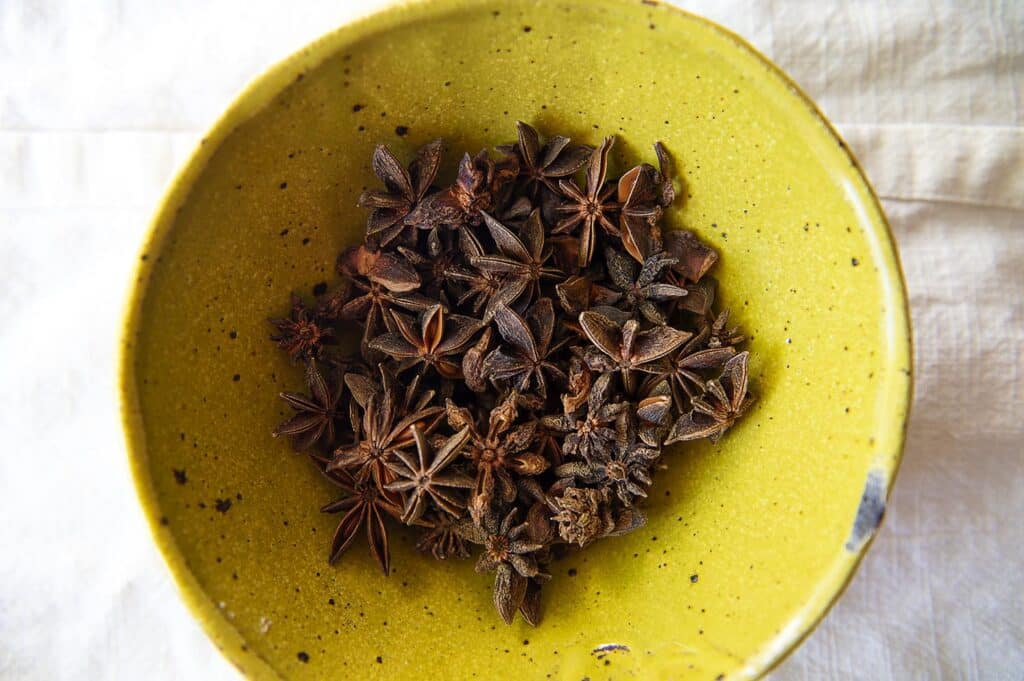
The taste of anise can be described in several key ways:
Flavor Profile of Anise
- Licorice-Like:
- The most prominent characteristic of anise is its licorice-like flavor. This sweet and slightly spicy taste is reminiscent of black licorice candy and is due to the presence of anethole, the same compound found in licorice root and fennel.
- Sweet:
- Anise has a natural sweetness that makes it a favored ingredient in desserts, baked goods, and beverages. This sweetness is balanced by its aromatic and slightly spicy notes, creating a complex flavor profile.
- Aromatic:
- The aroma of anise is powerful and distinctive. Its fragrance is both sweet and slightly peppery, contributing to its strong overall flavor. The aromatic quality of anise makes it a popular choice for flavoring teas, liqueurs, and other drinks.
- Warm and Spicy:
- In addition to its sweetness, anise has a warm and mildly spicy undertone. This subtle spiciness enhances both sweet and savory dishes, adding depth and complexity to the overall taste.
Culinary Uses of Anise Based on Its Flavor
The unique taste of anise makes it a versatile ingredient in various culinary applications:
- Baked Goods and Confectionery:
- Cookies and Pastries: Anise is often used to flavor cookies, cakes, and pastries. Its sweet, licorice-like taste pairs well with sugar and other sweet ingredients.
- Candies: Anise is a key flavoring in traditional licorice candy and other sweets, providing a distinctive taste that is both familiar and unique.
- Spice Blends:
- Garam Masala and Five-Spice Powder: Anise is a component of several spice blends, such as Indian garam masala and Chinese five-spice powder. Its warm and sweet flavor complements other spices like cinnamon, cloves, and fennel.
- Beverages:
- Herbal Teas: Anise seeds are used to make herbal teas that are both flavorful and aromatic. The sweet and spicy notes of anise tea make it a soothing and enjoyable drink.
- Alcoholic Drinks: Anise is used to flavor various alcoholic beverages, including the French pastis, Greek ouzo, Italian sambuca, and Turkish raki. These drinks are known for their strong, licorice-like flavor, which comes from anise.
- Savory Dishes:
- Stews and Sauces: Anise can be used to add a sweet and spicy note to savory dishes like stews, soups, and sauces. Its flavor enhances the complexity of these dishes and pairs well with meats and vegetables.
- Flavoring Vegetables and Fruits:
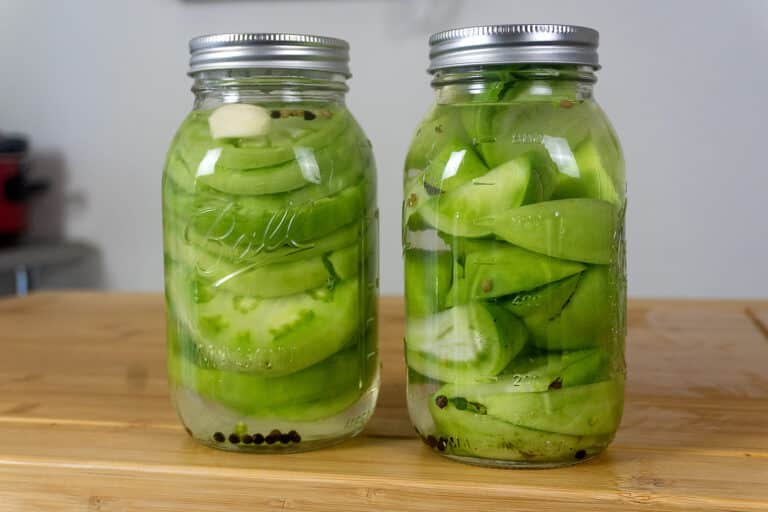
- Pickling: Anise seeds can be used in pickling brines to add a distinctive taste to pickled vegetables.
- Roasting: Anise can be added to roasted vegetables and fruits to enhance their natural sweetness and add an aromatic quality.
Health Benefits Related to Its Flavor
The compounds responsible for anise’s distinctive taste also contribute to its health benefits:
- Digestive Aid:
- The sweet and aromatic compounds in anise help stimulate digestion, reduce bloating, and alleviate indigestion.
- Respiratory Health:
- Anise’s licorice-like flavor is associated with its expectorant properties, making it beneficial for relieving coughs and clearing the respiratory tract.
- Calming Effects:
- The soothing aroma and taste of anise can help reduce stress and anxiety, providing a calming effect when consumed in teas or used in aromatherapy.
Anise’s unique and distinctive flavor profile – characterized by its sweet, licorice-like taste, aromatic quality, and warm spiciness – makes it a beloved ingredient in various culinary traditions. Whether used in sweet or savory dishes, beverages, or traditional medicine, anise adds a rich and complex flavor that enhances the overall taste experience.