Is Anise in Black Licorice?
Yes, anise is a key ingredient in traditional black licorice, contributing to its distinctive flavor.
The characteristic taste of black licorice is largely due to the presence of anethole, a compound found in both anise and licorice root.
The Role of Anise in Black Licorice
- Flavor Profile:
- Licorice-Like Taste: Anise provides the sweet, licorice-like flavor that is the hallmark of black licorice candy. Anethole, the main flavor compound in anise, is responsible for this taste and is also found in licorice root and fennel.
- Aromatic Quality: Anise adds an aromatic quality to black licorice, enhancing its overall flavor with its sweet and slightly spicy notes.
- Traditional and Modern Recipes:
- Traditional Recipes: In many traditional black licorice recipes, anise oil or anise extract is used to achieve the desired flavor. This practice dates back centuries and is common in European confectionery.
- Modern Variations: Some modern recipes for black licorice may use a combination of anise and licorice root extract to create a more complex flavor profile. Additionally, other spices such as fennel or star anise may be included to complement the anise flavor.
Other Ingredients in Black Licorice
While anise is a crucial ingredient, black licorice typically contains several other components:
- Licorice Root Extract:
- Flavor Enhancer: Licorice root extract provides additional depth to the licorice flavor, enhancing the sweet and earthy notes.
- Natural Sweetener: It also acts as a natural sweetener, reducing the need for added sugars.
- Molasses or Corn Syrup:
- Sweetness: Molasses or corn syrup is often used to sweeten the candy and give it its characteristic dark color and chewy texture.
- Wheat Flour:
- Texture: Wheat flour is used to create the chewy consistency of black licorice.
- Gum Arabic or Gelatin:
- Binding Agent: These ingredients act as binding agents, helping to hold the candy together and give it a smooth texture.
- Flavorings and Colorings:
- Additional Flavorings: Some recipes may include additional flavorings such as vanilla, salt, or citric acid to enhance the taste.
- Colorings: Natural or artificial colorings may be added to achieve the deep black color of the candy.
Cultural Variations
The use of anise in black licorice varies by region and cultural preference:
- European Licorice:
- In Europe, anise-flavored licorice is particularly popular, especially in countries like the Netherlands, Finland, and Italy. These variations often have a strong, intense licorice flavor with a pronounced anise note.
- American Licorice:
- In the United States, black licorice may have a milder anise flavor and often includes additional sweeteners and flavorings to appeal to different tastes.
- Asian Variations:
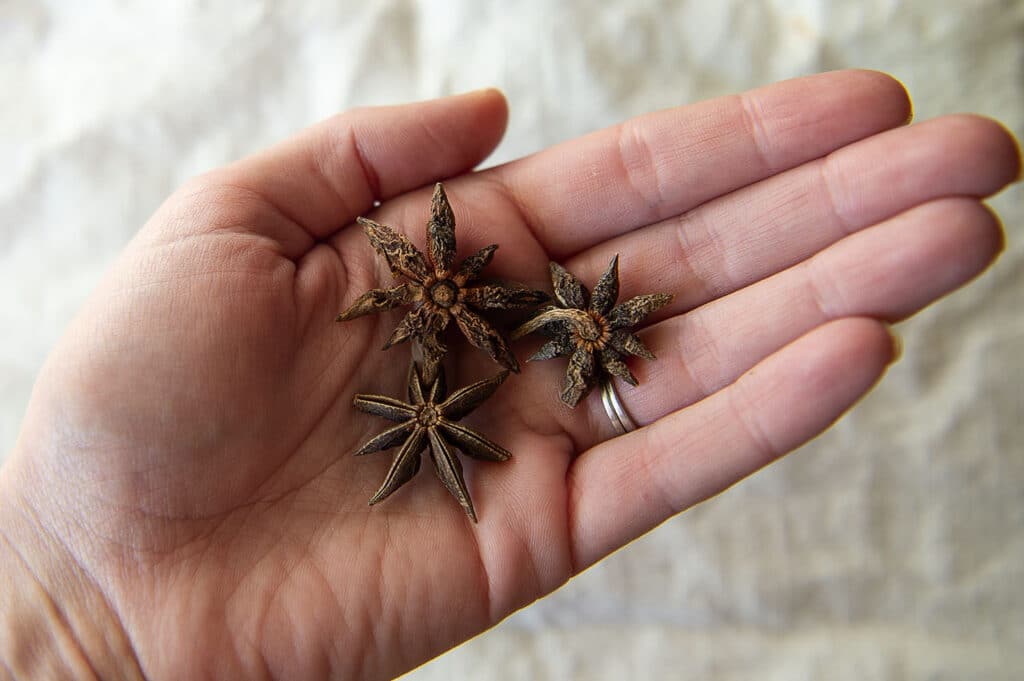
- In some Asian countries, star anise may be used in licorice-flavored candies, offering a similar but slightly different flavor profile compared to anise.
Health Considerations
While anise and black licorice are enjoyed by many, it’s important to consume them in moderation due to potential health effects:
- Glycyrrhizin Content:
- Black licorice contains glycyrrhizin, a compound found in licorice root that can cause health issues such as high blood pressure and potassium imbalances when consumed in large amounts.
- Allergic Reactions:
- Some individuals may be allergic to anise or licorice root. If you experience any adverse reactions, discontinue consumption and consult a healthcare provider.
- Pregnancy and Medical Conditions:
- Pregnant women and individuals with certain medical conditions should consult a healthcare provider before consuming black licorice due to potential risks.
Anise is indeed a key ingredient in black licorice, imparting its distinctive sweet, licorice-like flavor. Combined with licorice root extract and other ingredients, anise helps create the unique and beloved taste of this traditional candy.