
What Is Aniseed Myrtle Used For?
Aniseed myrtle, also known as anise myrtle, is an Australian native plant that has a variety of uses in culinary, medicinal, and aromatic applications.
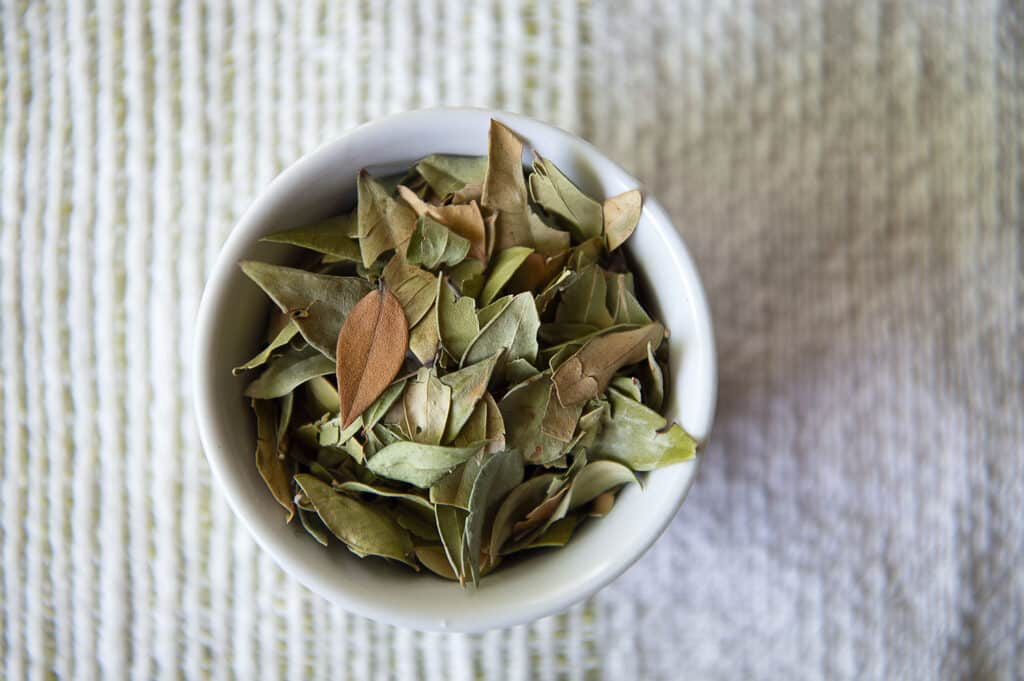
The leaves of the plant are highly aromatic and contain compounds that impart a strong aniseed flavor. Here’s a detailed look at the uses of aniseed myrtle:
Culinary Uses
- Flavoring Agent:
- Sweet Dishes: Aniseed myrtle is commonly used to flavor desserts such as cakes, biscuits, and puddings. Its sweet, licorice-like taste complements sugar and other sweet ingredients.
- Savory Dishes: It can also be used in savory dishes, adding a unique flavor to sauces, marinades, and dressings. It pairs well with seafood, poultry, and vegetables.
- Beverages: The leaves can be used to infuse teas, syrups, and cocktails, adding a distinctive aniseed flavor. Aniseed myrtle tea is popular for its refreshing taste and aromatic quality.
- Spice Blends:
- Aniseed myrtle is included in spice blends for its sweet and spicy flavor. It can enhance the taste of curries, stews, and other spiced dishes.
- Condiments:
- The leaves can be ground into a powder and used as a seasoning for a variety of dishes. It can also be incorporated into condiments such as chutneys and relishes.
Medicinal Uses
Aniseed myrtle has been traditionally used by Indigenous Australians for its potential health benefits. Modern herbal medicine also recognizes its various therapeutic properties:
- Digestive Health:
- Carminative Properties: Aniseed myrtle helps alleviate digestive issues such as bloating, gas, and indigestion. It can be consumed as a tea or used in culinary preparations to aid digestion.
- Stomach Soother: The herb can soothe the stomach and help relieve symptoms of nausea and discomfort.
- Respiratory Health:
- Expectorant: Aniseed myrtle is known for its expectorant properties, making it useful in treating respiratory conditions like coughs and bronchitis. It helps clear mucus and ease breathing.
- Antimicrobial and Antifungal:
- Infection Fighter: The essential oils in aniseed myrtle have antimicrobial and antifungal properties, which can help fight infections and improve overall health.
- Anti-Inflammatory:
- Reduces Inflammation: Aniseed myrtle has anti-inflammatory effects that can benefit conditions such as arthritis and other inflammatory disorders.
Aromatic Uses
- Essential Oil:
- Aromatherapy: Aniseed myrtle essential oil is used in aromatherapy for its soothing and calming effects. It can help reduce stress and anxiety when diffused or added to massage oils.
- Perfumery: The sweet and spicy aroma of aniseed myrtle makes it a popular ingredient in natural perfumes and personal care products.
- Candles and Incense:
- Fragrance: Aniseed myrtle is used in candles and incense for its pleasant and distinctive scent. It can create a calming and refreshing atmosphere.
Other Uses
- Cosmetics and Personal Care:
- Skin Care: Aniseed myrtle is included in skincare products for its antimicrobial properties and pleasant fragrance. It can be found in soaps, lotions, and creams.
- Hair Care: The herb is also used in hair care products such as shampoos and conditioners to add fragrance and potentially improve scalp health.
- Insect Repellent:
- Natural Repellent: Aniseed myrtle can act as a natural insect repellent due to its strong aroma. It can be used in homemade sprays or added to lotions.
Safety and Precautions
While aniseed myrtle is generally safe for most people, it’s important to use it in moderation and be aware of potential side effects:
- Allergic Reactions:
- Some individuals may be allergic to aniseed myrtle. If you experience any adverse reactions, discontinue use and consult a healthcare provider.
- Pregnancy and Breastfeeding:
- Pregnant and breastfeeding women should use aniseed myrtle with caution and consult a healthcare provider before consumption.
- Drug Interactions:
- Aniseed myrtle may interact with certain medications, so it’s important to consult a healthcare provider if you are taking any prescription drugs.
Aniseed myrtle is a versatile plant with a wide range of uses in culinary, medicinal, aromatic, and other applications. Its distinctive aniseed flavor and potential health benefits make it a valuable addition to many practices and products.