What Is Mugwort Used For?
Mugwort is an aromatic herb that has been used in cooking, tea, traditional herbal practices, and household preparations for a long time. It belongs to the Artemisia family and is known for its earthy smell, bitter edge, and soft green leaves with pale undersides.
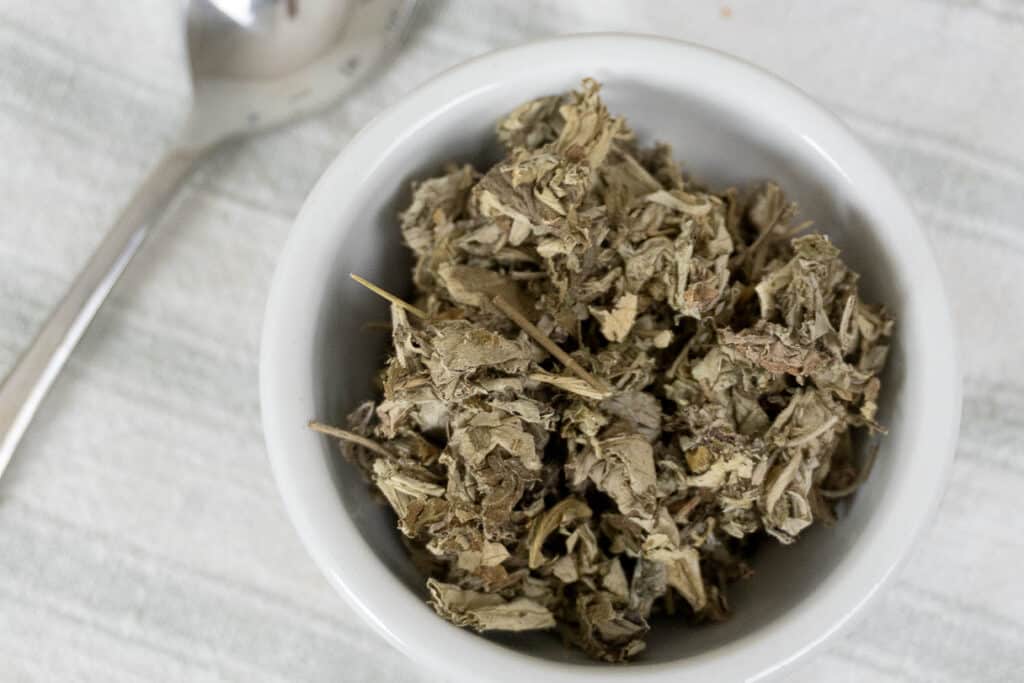
People usually do not use mugwort the way they use parsley or basil. It is stronger, more bitter, and better in smaller amounts. A little goes a long way, which is kitchen code for “do not get cocky.”
Common Uses For Mugwort
Mugwort is used in several ways, depending on the culture and the form of the plant. The most common uses include:
- Brewing it into herbal tea
- Adding it to certain traditional foods
- Drying it for incense or household use
- Using it in herbal blends
- Including it in old folk practices
Some people know mugwort from tea. Others know it from traditional dishes, especially in parts of Asia and Europe where the herb has been worked into rice cakes, soups, or dumpling fillings.
Mugwort In Cooking
In cooking, mugwort is usually used for its strong herbal character. Young leaves are more commonly used than older ones because they are generally more tender and less harsh.
You may see mugwort used in:
- Rice cakes
- Dumplings
- Soups
- Broths
- Herb blends
Because mugwort has a bitter, earthy profile, it is usually not the main event. It plays more of a supporting role.
Mugwort In Tea And Herbal Use
One of the best-known uses for mugwort is herbal tea. Dried mugwort leaves are steeped in hot water and sipped in small amounts. People are often drawn to it because of its long history in traditional herbal use.
Mugwort also appears in:
- Dried herbal bundles
- Bath blends
- Loose herb mixes
- Incense preparations
That does not mean every modern claim tied to mugwort is backed by strong evidence. A lot of what people say about the herb comes from traditional use rather than clear modern proof.
Things To Know Before Using Mugwort
Mugwort is not for everybody. Some people may react to it, especially if they are sensitive to ragweed or other related plants. It is also a good idea to be cautious with it during pregnancy unless a qualified medical professional says otherwise.
A few smart reminders:
- Start with a small amount
- Avoid wild plants unless you are sure of the identification
- Be careful if you have plant allergies
- Use food-safe or herbal-grade product from a trusted source
Mugwort is used for tea, certain traditional foods, incense, and herbal preparations. Its biggest draw is its strong aroma and long history in kitchen and household use. It is an old herb with a lot of reputation behind it, but it still makes sense to use it carefully.