What Is Barberry?
Barberry is a small, tart berry that grows on shrubs from the Berberis family. It is known for its bright red color, sharp sour taste, and long history in cooking and traditional herbal use. Most people who know barberry from the kitchen know it in dried form.
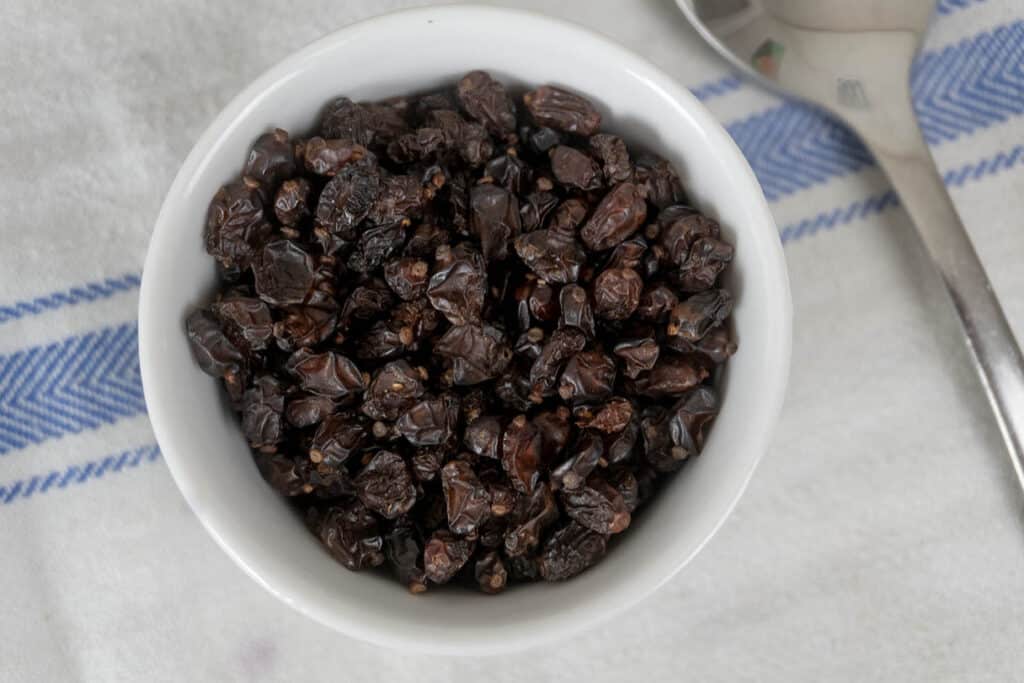
These berries are small, narrow, and intense. This is not the kind of fruit you casually toss back by the handful unless you enjoy puckering hard enough to see your ancestors.
What Barberry Tastes Like
Barberry is famous for being sour. It brings a sharp, tangy bite to food, which is exactly why cooks like it.
Its taste is often described as:
- Tart
- Fruity
- Bright
- Acidic
- Punchy
That strong sour note makes barberry useful in dishes that need contrast.
How Barberry Is Used In Cooking
Barberry is used in several cuisines, especially in Persian cooking. Dried barberries are often added to rice dishes, pilafs, and meat-based recipes to give the dish a pop of tartness and color.
Common uses include:
- Rice dishes
- Pilafs
- Stuffings
- Meat dishes
- Sauces and relishes
One of the most recognized uses is in Persian rice, where the berries add a sharp contrast to richer ingredients.
What Barberry Looks Like
Barberries grow on thorny shrubs and are usually red when ripe. The berries are often oblong rather than perfectly round, and the shrubs may also have small leaves and yellow flowers.
You may notice:
- Bright red berries
- Thorny branches
- Small leaves
- Yellow flowers before fruiting
- Clusters of berries
Because the shrubs have thorns, harvesting them is usually not a casual bare-hand situation.
Barberry Beyond The Kitchen
Barberry has also been used in traditional herbal practices. Different parts of the plant, including the fruit and sometimes the bark or root, have a long history in herbal systems.
Still, there is a difference between traditional use and something people should start taking on their own without care. The kitchen version and the supplement version are not the same conversation.
Barberry is a tart red berry used mostly in dried form for cooking, especially in rice and meat dishes. It is best known for its sour kick, bright color, and long history in both pantry use and older herbal traditions.