
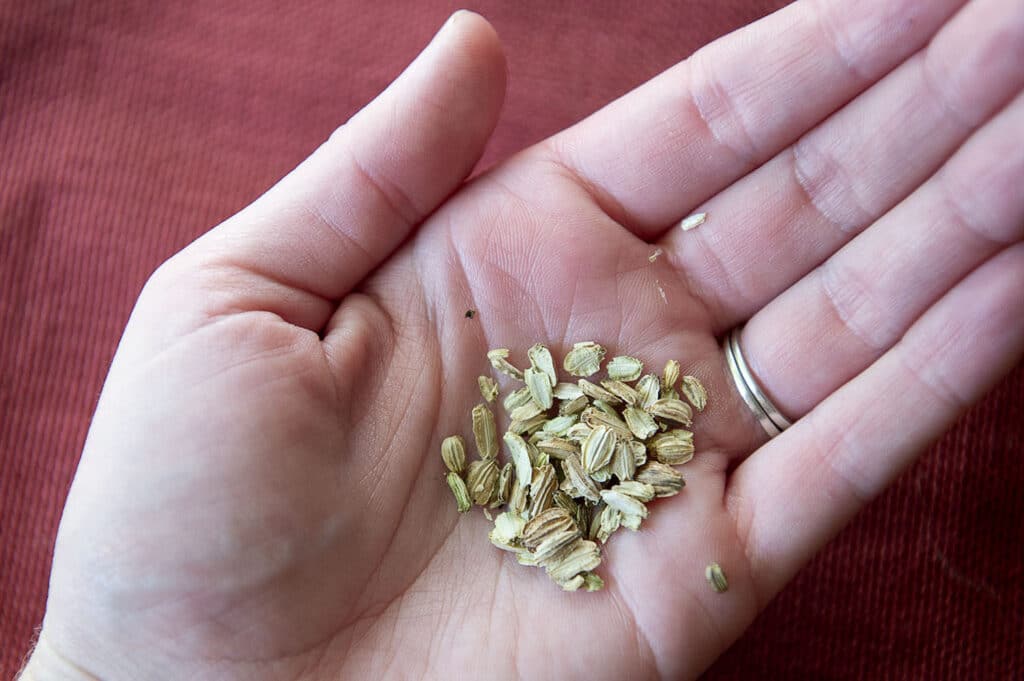
Angelica (Angelica archangelica)
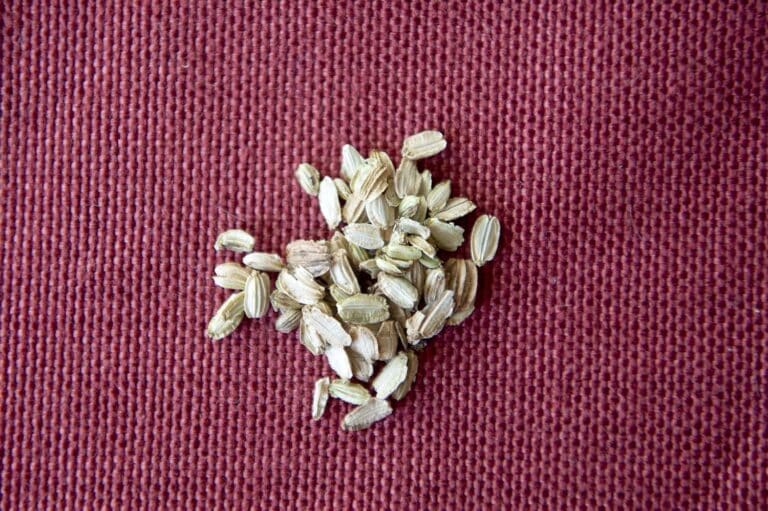
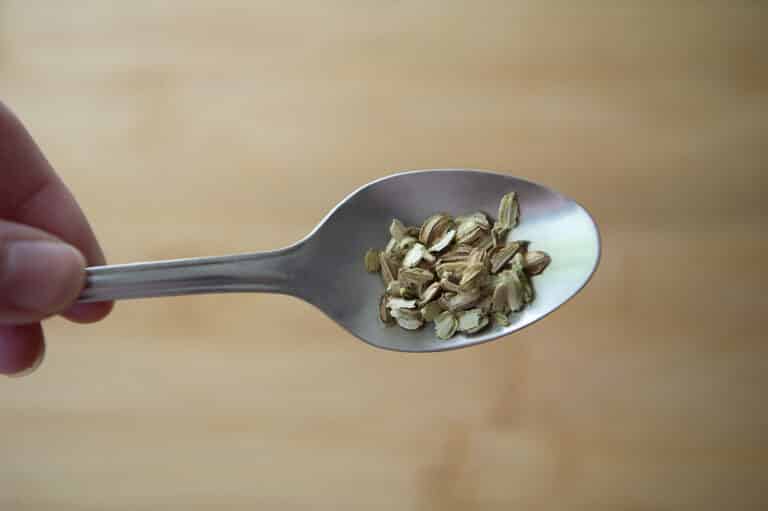
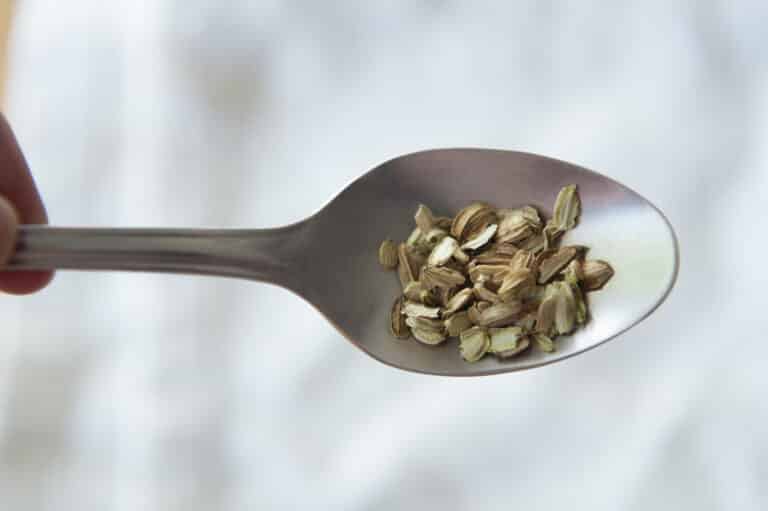
Angelica archangelica, commonly referred to as garden angelica or simply angelica, is a biennial plant native to northern Europe. Recognized for its tall, hollow stems and umbrella-like clusters of greenish-white flowers, this herb stands out not only for its distinct appearance but also for its richly aromatic scent. Traditionally, all parts of the plant – the roots, seeds, and leaves – have been used in various culinary, medicinal, and even spiritual applications.
- Scientific name: Angelica archangelica
- Family: Apiaceae
- Genus: Angelica
- Kingdom: Plantae
- Order: Apiales
History of Angelica
The name “angelica” is believed to come from the Greek word “angelos,” meaning angel. Legend says that the plant was revealed by an angel to cure the plague, hence its name. Historically, it was a staple in European folk medicine and was used extensively by the Sami people of Lapland. Angelica was brought into gardens primarily as a medicinal herb but eventually became popular in the culinary world, particularly in Scandinavian and East European cuisines.
Benefits
Angelica offers numerous health benefits, thanks to its rich content of volatile oils, flavonoids, and coumarins. Here are some of its most notable health benefits:
- Circulatory Stimulant: Angelica is sometimes used as a circulatory stimulant, which can help improve blood flow and reduce symptoms of poor circulation.
- Digestive Health: Angelica is traditionally used to help relieve indigestion and bloating. Its antispasmodic properties can help soothe stomach cramps and reduce gas.
- Respiratory Support: The expectorant properties of angelica make it useful in treating colds, coughs, and respiratory ailments by helping to clear congestion.
Substitutes
If angelica is unavailable, several alternatives can provide similar flavors and properties:
- For medicinal uses: Dandelion or burdock root can serve as substitutes, as they offer comparable digestive and detoxifying benefits.
- For culinary uses: Celery or lovage can replace angelica in recipes, providing a similar texture and flavor, particularly in soups and stews.
Recipes
Angelica is versatile in the kitchen. Here are a few ways to incorporate it into dishes:
- Angelica Tea: To make a soothing herbal tea, steep dried angelica root in boiling water for 5-10 minutes. This tea is said to aid digestion and help relieve cold symptoms.
- Candied Angelica: A classic confectionery item, candied angelica is made by boiling the stems in sugar syrup until they become sweet and translucent. This treat is often used as a decoration or ingredient in baking.
- Angelica in Cooking: Fresh angelica leaves can be used similarly to celery in savory dishes. Try adding them to a fish soup or stew for a touch of depth and earthiness.