
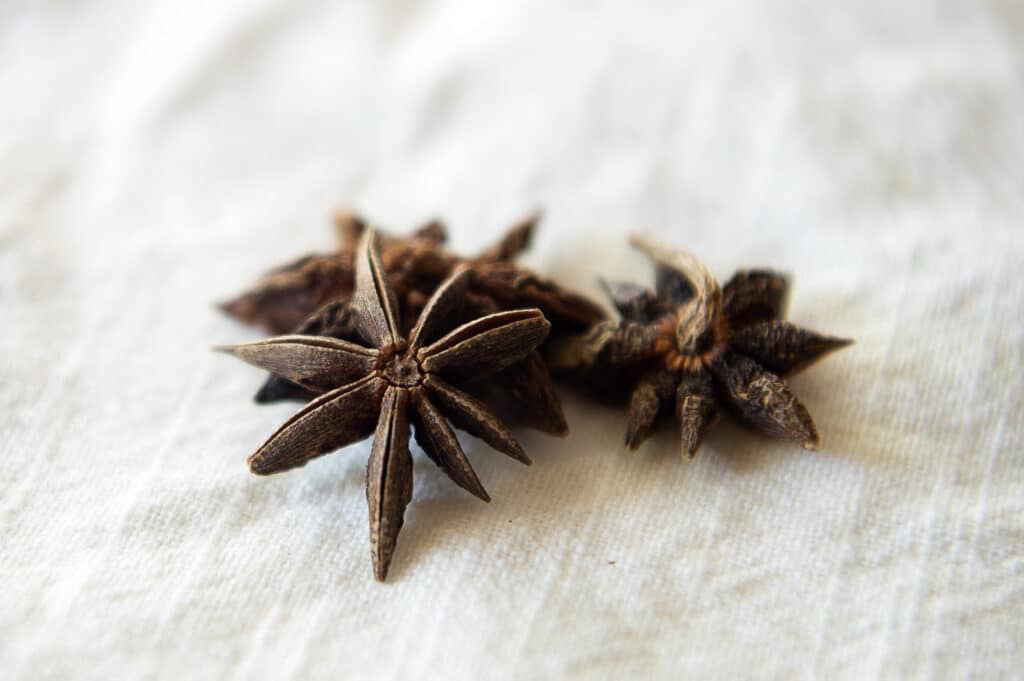
Anise (Pimpinella anisum)
Anise, not to be confused with star anise, is a flowering plant native to the eastern Mediterranean region and Southwest Asia. Its flavor, derived from the seeds, is often used to flavor dishes, drinks, and confections. In addition to culinary uses, anise has a long history in traditional herbal medicine, thanks to its seeds’ carminative, anti-spasmodic, and digestive properties.
- Scientific name: Pimpinella anisum
- Family: Apiaceae
- Genus: Pimpinella
- Kingdom: Plantae
- Order: Apiales
History of Anise
The use of anise dates back to ancient Egypt, where it was cultivated and used in cooking and as a medicinal herb; it was also used in early Greek and Roman cultures. The Romans often used anise to flavor cakes that were eaten after feasts to help digestion, which is how the tradition of serving spiced cakes evolved into modern dessert courses. Over the centuries, anise spread throughout Europe and Asia, becoming popular for its ability to flavor a wide range of dishes and beverages.
Benefits
Anise is rich in nutrients and has several health benefits:
- Hormonal Balance: Anise contains anethole, a compound that can mimic the effects of estrogen in the body, potentially helping to balance hormones.
- Digestive Health: Anise is commonly used to relieve indigestion, bloating, and colic. Its antispasmodic properties help relax the digestive tract.
- Respiratory Health: Anise acts as an expectorant, helping to ease coughs and congestion. It is often used in cough syrups and lozenges.
Substitutes
If anise is unavailable, several alternatives can mimic its licorice-like flavor:
- Fennel Seeds: These are milder but have a similar licorice flavor and can be used in similar quantities.
- Licorice Root: More potent, but it can replace anise in teas and herbal remedies.
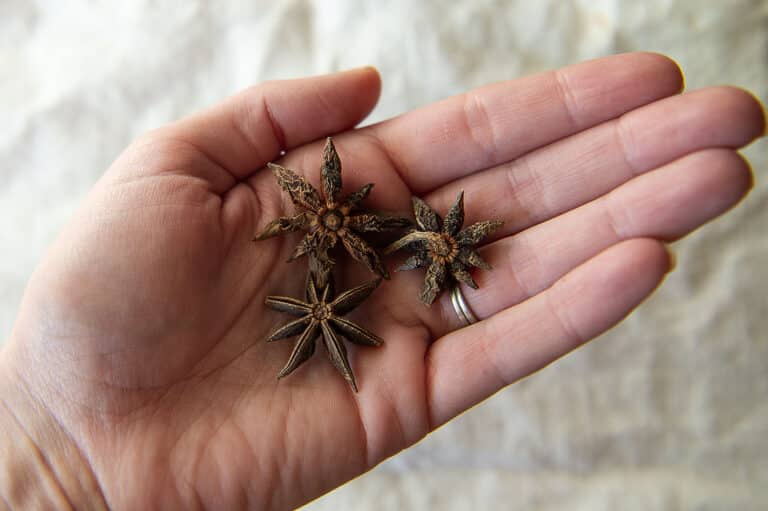
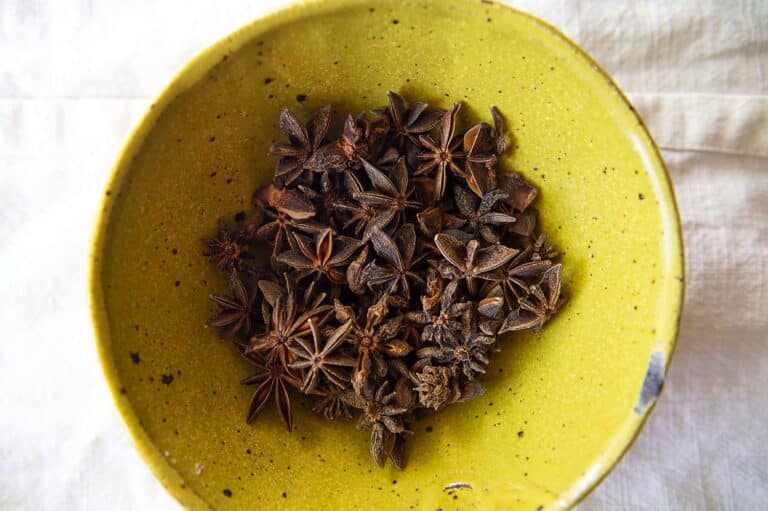
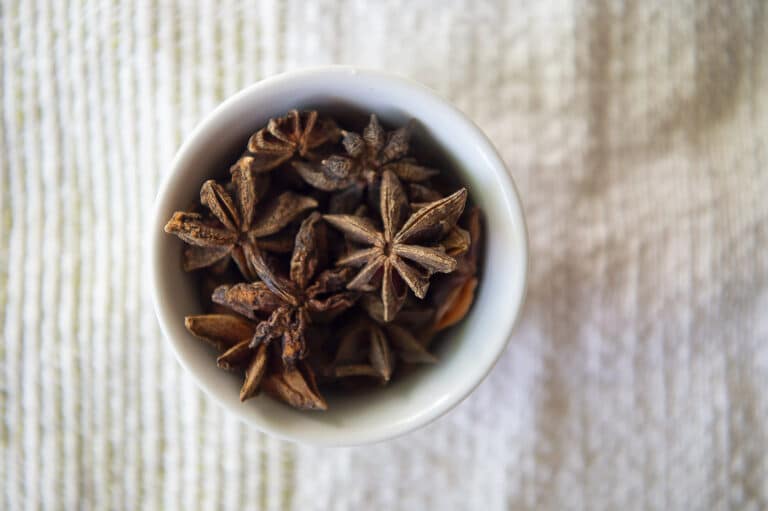
- Star Anise: Although it comes from a different plant, star anise shares a similar flavor profile and can be used in cooking and baking as a substitute.