
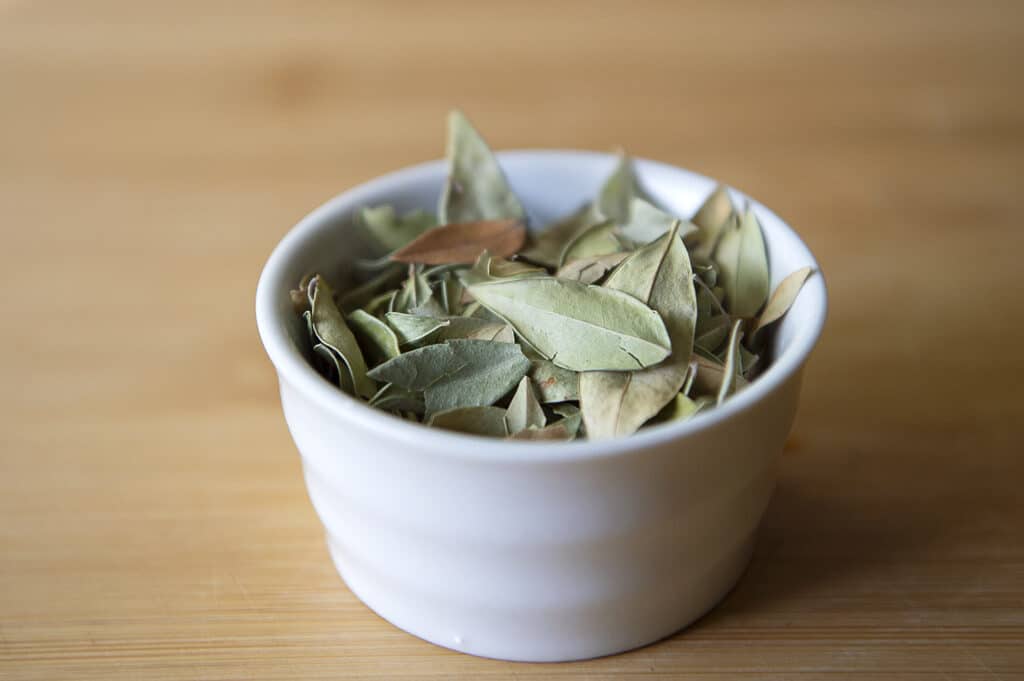
Aniseed Myrtle (Syzygium Anisatum)
Aniseed myrtle, known scientifically as Syzygium anisatum, is a fragrant spice native to the rainforests of eastern Australia. Celebrated for its distinctive aniseed-flavored leaves, it is a valued culinary and aromatic herb, playing a significant role in both traditional and contemporary cuisine and wellness practices.
- Scientific name: Syzygium anisatum
- Family: Myrtaceae
- Genus: Syzygium
- Kingdom: Plantae
- Order: Myrtales
History of Aniseed Myrtle
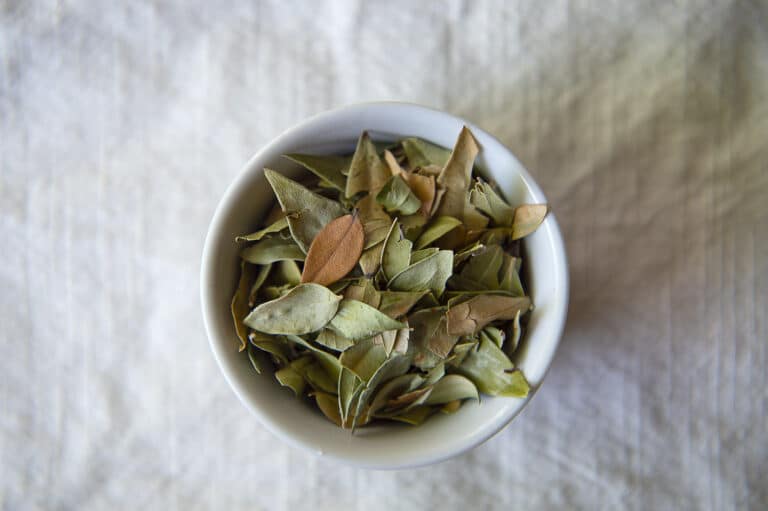
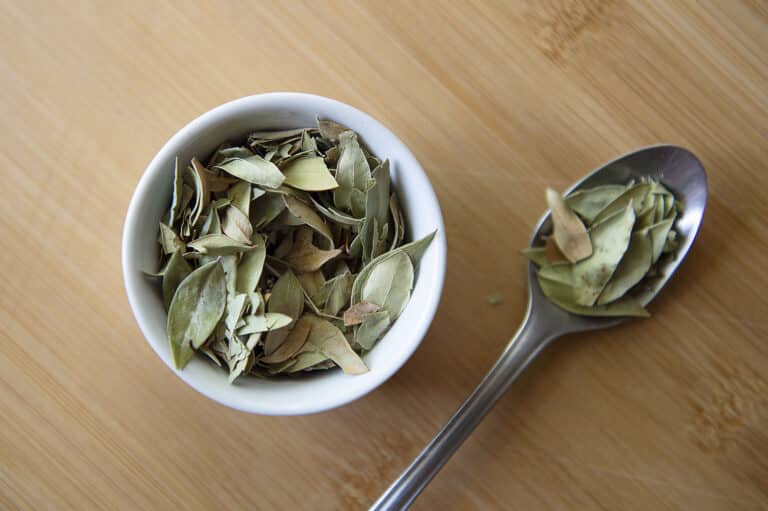
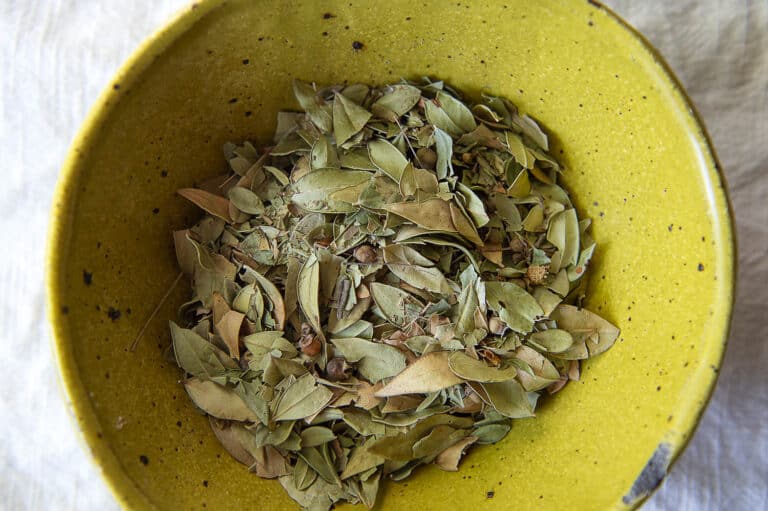
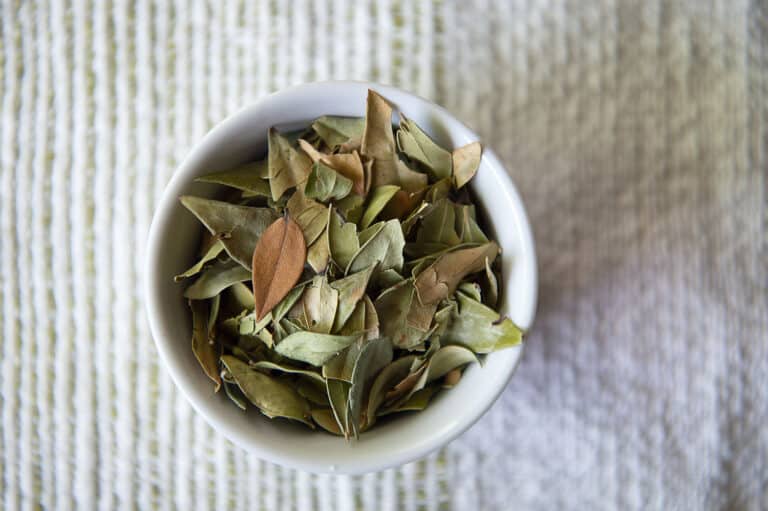
Originally known as ringwood and aniseed tree, Aniseed myrtle is characterized by its bright, glossy green leaves which emit a strong aniseed, or licorice, scent when crushed. The plant produces clusters of white flowers that are followed by purplish berries, though it is primarily the leaves that are harvested for their culinary and medicinal uses.
Aniseed myrtle has been part of the indigenous Australian diet and medicine for centuries, although it has only gained broader recognition in recent decades as part of the growing interest in native Australian bush foods. It was commercially cultivated in the 1990s and has since been used increasingly in modern Australian cuisine, especially in desserts, teas, and savory dishes.
Benefits
Aniseed myrtle is not only appreciated for its unique flavor but also for its health benefits, which include:
- Antioxidant properties: The leaves are high in antioxidants, which help neutralize harmful free radicals in the body.
- Antimicrobial qualities: It has been shown to possess antimicrobial properties, which can help in fighting certain bacterial and fungal infections.
- Digestive health: Similar to anise, aniseed myrtle is used to aid digestion and relieve symptoms like gas and bloating.
Substitutes
If Aniseed myrtle is unavailable, there are a few substitutes that can mimic its unique licorice-like flavor:
- Anise: Offers a similar licorice flavor and can be used in both sweet and savory dishes.
- Star Anise: While slightly more pungent, it can provide a comparable flavor in many recipes.
- Fennel Seeds: These can also replicate the licorice taste, though with a milder intensity.