
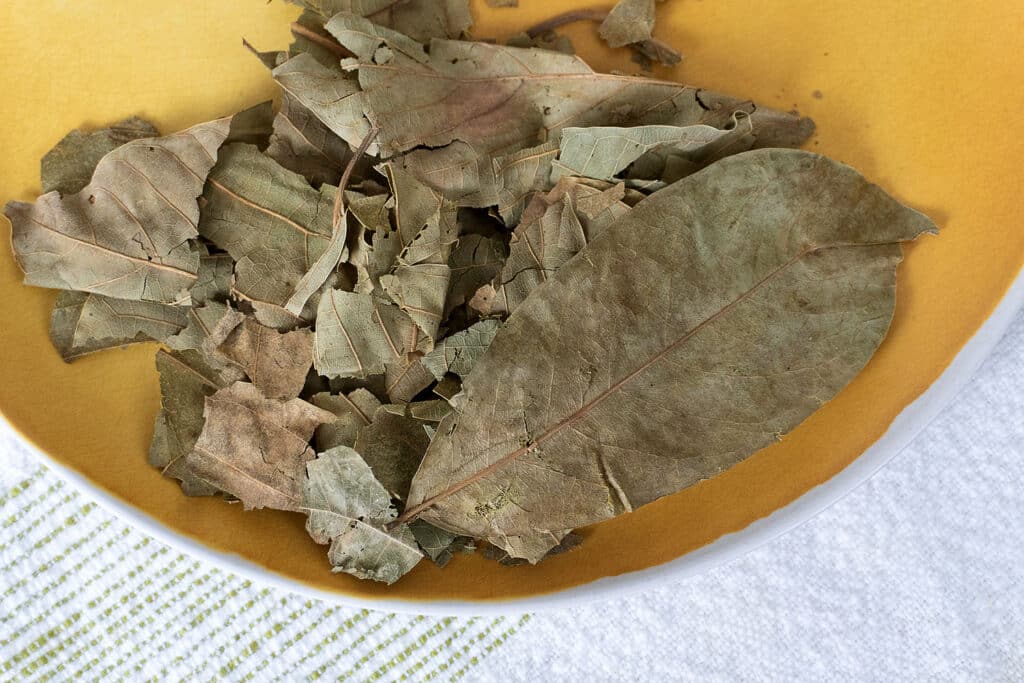
Avocado Leaves (Persea americana)
Avocado leaves come from Persea americana, the avocado tree, a member of the laurel family. In cooking, the leaves most closely associated with culinary use come from the Mexican race, which is known for its anise-scented foliage. These leaves are used in Mexican cooking to add a light licorice note to beans, tamales, soups, moles, and stews.
- Scientific name: Persea americana
- Family: Lauraceae
- Genus: Persea
- Kingdom: Plantae
- Order: Laurales
History of Avocado Leaves
Avocados were cultivated in Mesoamerica thousands of years ago, and Kew notes that they have been cultivated for their fruit since about 8,000 BC, with evidence of wild use even earlier. Over time, the Mexican race became especially notable for its anise-scented leaves, which took on a place in regional Mexican cooking, especially in Oaxaca and Puebla. The leaves are used fresh or dried and are often toasted before being added to a dish.
Benefits
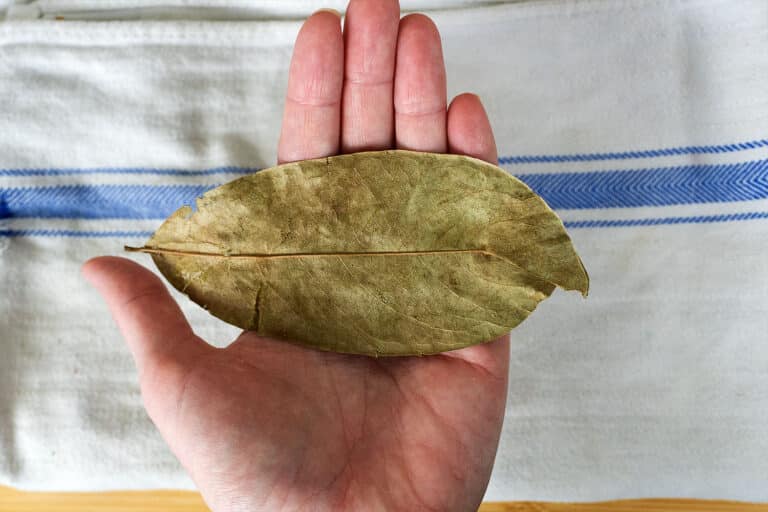
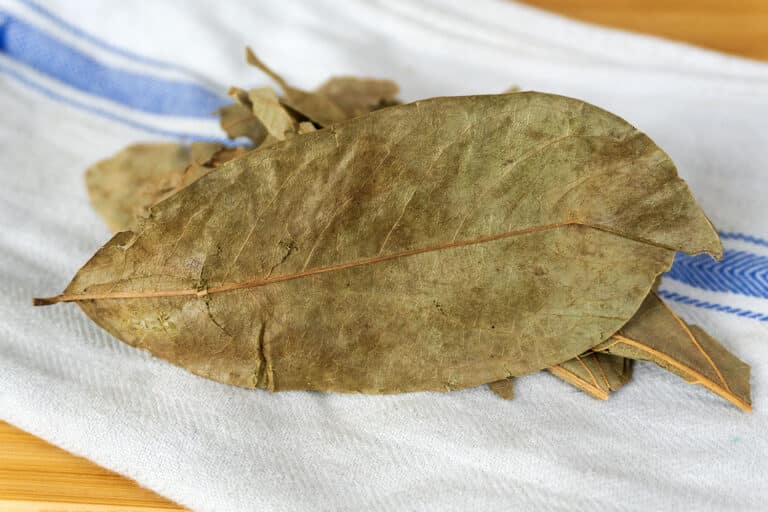
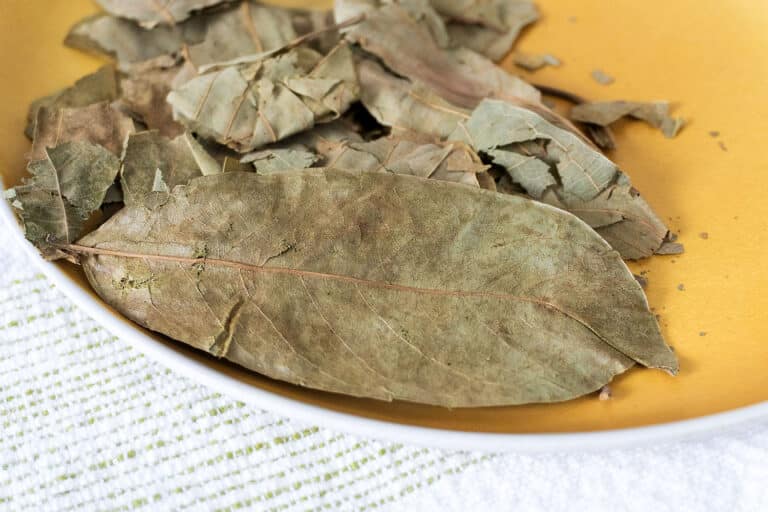
Avocado leaves are appreciated mainly for their cooking value. They bring a subtle licorice-like note to food, can be used whole, crumbled, or as wrappers, and studies have also noted antioxidant activity in avocado leaf extracts. Because avocado leaf safety can vary by cultivar, culinary leaves sold for food use are the safest route for recipes.
Substitutes
If avocado leaves are unavailable, hoja santa is one possible substitute. Some cooks also use a combination of bay leaf and anise for a similar direction, though it is not an exact match. For wrapping food rather than seasoning it, banana leaves can also work.