
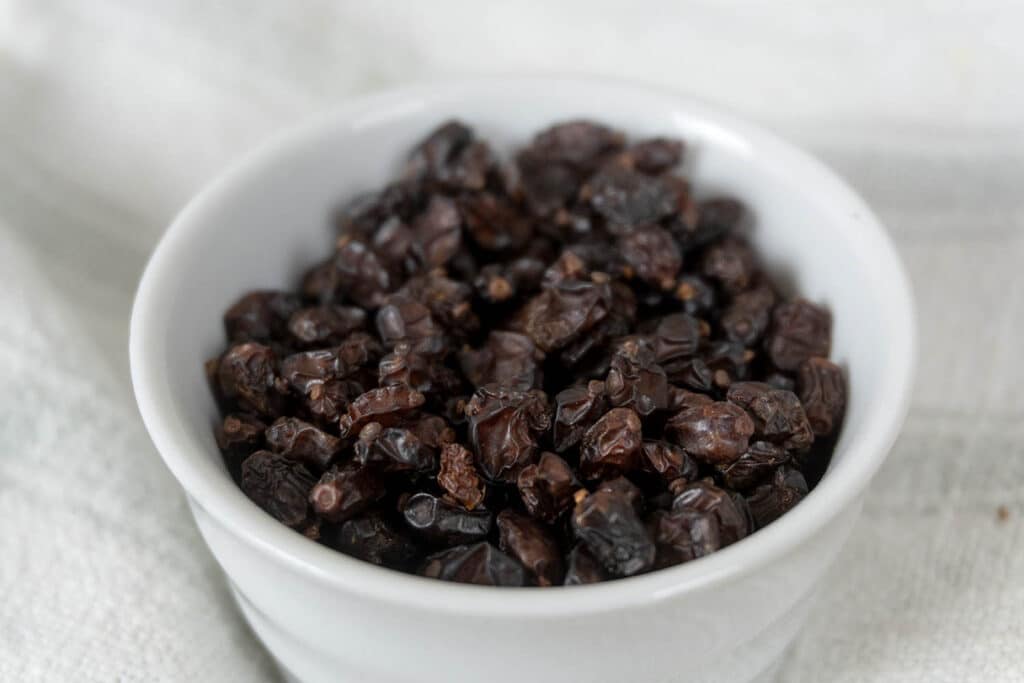
Barberry (Berberis vulgaris)
Barberry, known scientifically as Berberis vulgaris, is a thorny shrub in the Berberidaceae family. It is best known for its small, sharply tart berries, which have been used in cooking, preserves, and traditional herbal practice for a very long time. Barberry shrubs are mostly native to the North Temperate Zone, especially Asia.
- Scientific name: Berberis vulgaris
- Family: Berberidaceae
- Genus: Berberis
- Kingdom: Plantae
- Order: Ranunculales
History of Barberry
Barberry has been used for more than 2,500 years in traditional medicine, and in southwestern Asia, especially Iran, the berries became important in cooking as well as jam-making. Dried barberries, often called zereshk in Persian cooking, are especially well known in rice dishes such as zereshk polo.
Benefits
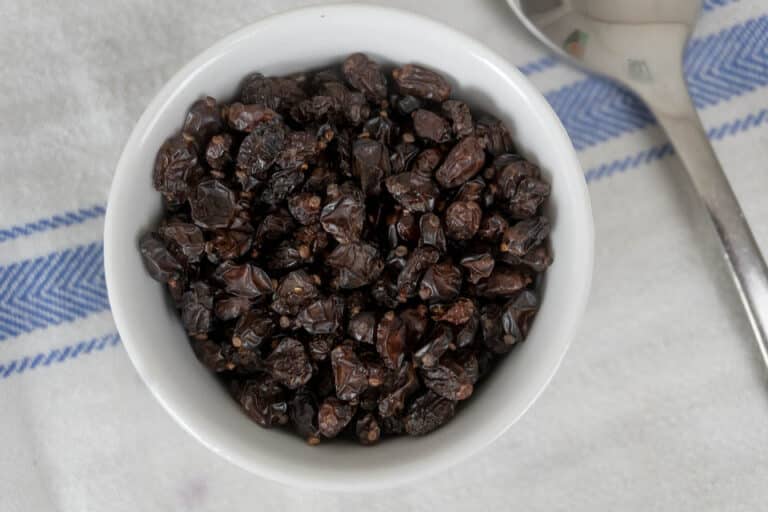
Barberry is valued for its tart berries and for the plant compounds it contains, especially berberine. Research reviews have described antioxidant, hypoglycemic, liver-supporting, and blood-pressure-related effects, though that does not make it a medical treatment on its own. In the kitchen, the fruit is also useful because it brings sharp acidity and a little natural pectin to jams and rice dishes.
Substitutes
If barberry is unavailable, dried cranberries are one of the most common substitutes. Currants can also work, especially if you soak them in a little lemon juice to give them more tang, and chopped dried sour cherries are another strong option.