How Big Does Aniseed Myrtle Grow?
Aniseed myrtle is a native Australian rainforest tree, is appreciated for its aromatic leaves that are widely used in culinary and medicinal applications. Understanding its growth habits and size can help in cultivating it effectively, whether for personal use in gardens or commercial purposes.
Size and Growth Habit
- Height:
- Natural Habitat: In its natural rainforest environment, aniseed myrtle can grow up to 45 meters (approximately 150 feet) tall. This significant height is achieved under optimal conditions with ample space and resources.
- Cultivated Settings: When grown in gardens or on plantations, aniseed myrtle typically reaches a height of 3 to 15 meters (10 to 50 feet). The growth can be controlled through pruning and the environment in which it is grown.
- Canopy Spread:
- Wild Growth: The tree can develop a wide, spreading canopy that provides considerable shade, which is characteristic of its rainforest origins.
- Cultivated Growth: In managed settings, the canopy spread is more contained, usually spanning a few meters, depending on how the tree is pruned and maintained.
Growth Rate and Conditions
- Growth Rate:
- Aniseed myrtle has a moderate to fast growth rate, particularly when provided with suitable growing conditions. Young trees can establish quickly and grow several feet per year under optimal conditions.
- Soil Requirements:
- Well-Drained Soil: Aniseed myrtle thrives in well-drained, fertile soils. It prefers slightly acidic to neutral pH levels but is adaptable to a range of soil types.
- Moisture: Consistent moisture is crucial, especially for young plants. However, it is essential to avoid waterlogging, which can harm the roots.
- Light Requirements:
- Sunlight: While aniseed myrtle can tolerate partial shade, it grows best in full sunlight. Adequate light exposure encourages healthy growth and enhances the aromatic quality of the leaves.
- Shade Tolerance: In its natural habitat, it often grows under the canopy of taller trees, indicating some shade tolerance. However, for optimal growth and leaf production, full sunlight is preferred.
- Climate:
- Temperate to Subtropical: Aniseed myrtle flourishes in temperate to subtropical climates. It prefers mild, frost-free conditions but can tolerate occasional light frosts.
- Humidity: High humidity levels, similar to its rainforest origins, support vigorous growth. Dry conditions can be challenging, necessitating additional watering.
Maintenance and Pruning
- Pruning:
- Shape and Size Control: Regular pruning helps control the size and shape of the tree, making it more manageable for garden or plantation settings. Pruning also encourages bushier growth, which is desirable for leaf harvest.
- Health: Removing dead or diseased branches promotes overall tree health and reduces the risk of pest infestations.
- Harvesting:
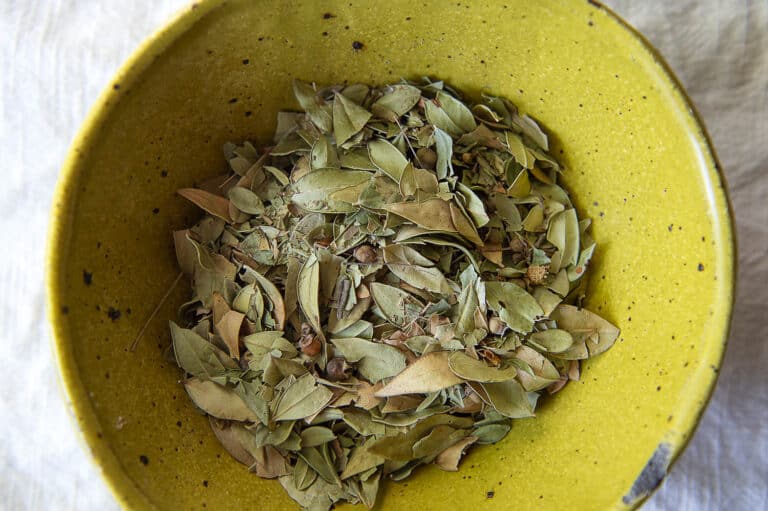
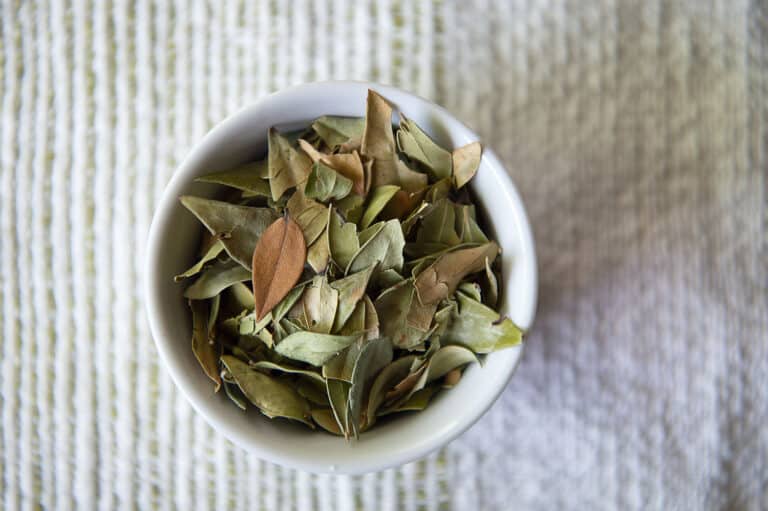
- Leaf Harvesting: For culinary and medicinal uses, leaves can be harvested as needed. Regular harvesting can also contribute to controlling the tree’s size and encouraging new growth.
Uses and Benefits
- Culinary Uses:
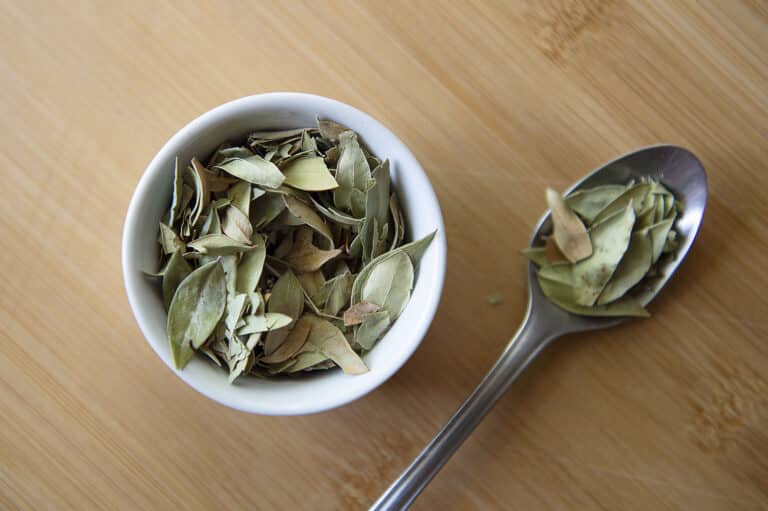
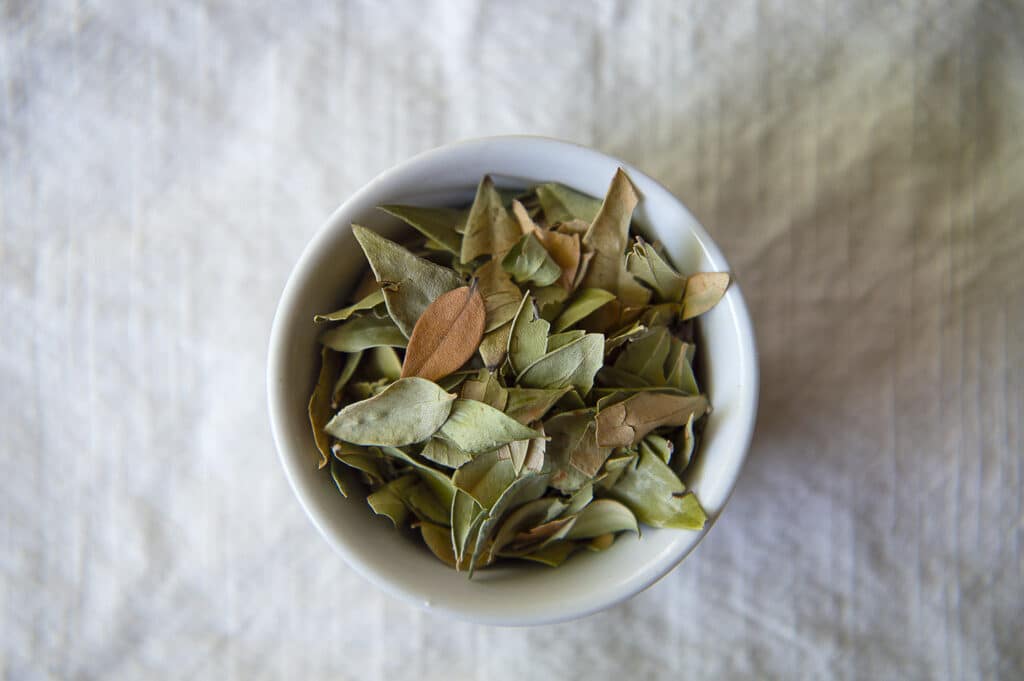
- Aniseed myrtle leaves are used to flavor a variety of dishes, including desserts, marinades, and teas. Their sweet, aniseed flavor adds a unique touch to many recipes.
- Medicinal Properties:
- The leaves are valued for their potential health benefits, including digestive aid, antimicrobial properties, and respiratory support.
- Aesthetic Value:
- With its attractive foliage and aromatic leaves, aniseed myrtle makes a beautiful and functional addition to gardens and landscapes.
Aniseed myrtle is a versatile and fast-growing tree that can reach significant heights in its natural habitat but remains more manageable in cultivated settings. Its adaptability to various conditions, coupled with its culinary and medicinal benefits, makes it a valuable addition to gardens and plantations. Proper care, including suitable soil, moisture, and light conditions, along with regular pruning, will ensure healthy growth and a bountiful harvest of aromatic leaves.