
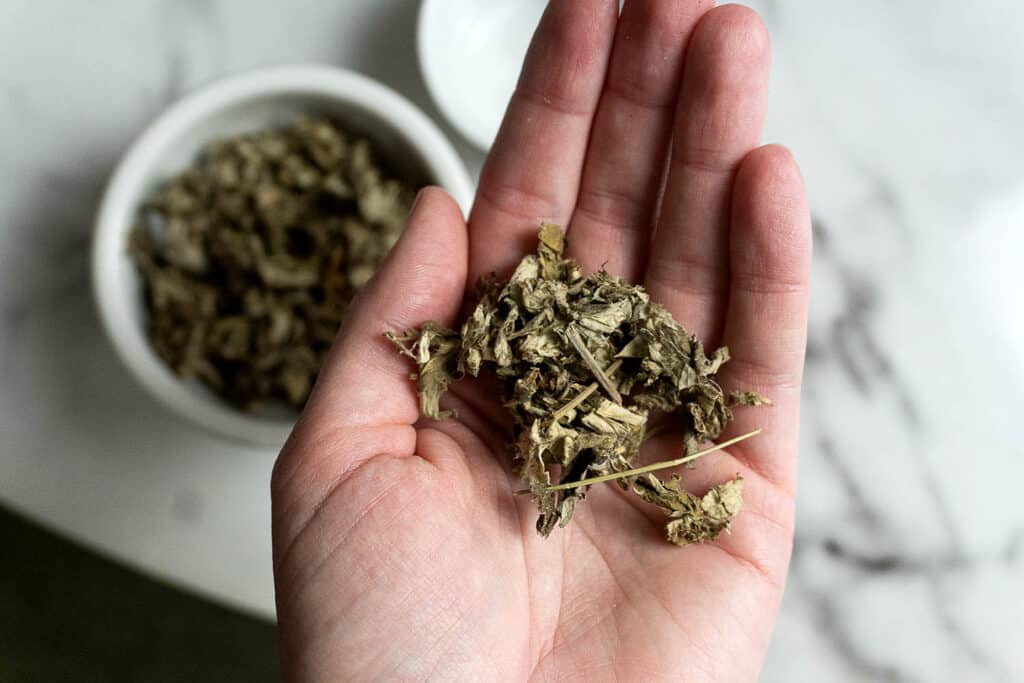
Mugwort (Artemisia vulgaris)
Mugwort, known scientifically as Artemisia vulgaris, is a perennial herb in the daisy family. Native to Europe and parts of Asia and Africa, it now grows in many other parts of the world and has long been used as both a culinary herb and a traditional medicinal plant.
- Scientific name: Artemisia vulgaris
- Family: Asteraceae
- Genus: Artemisia
- Kingdom: Plantae
- Order: Asterales
History of Mugwort
Mugwort has a long record in traditional Chinese, Hindu, and European medicine, especially for digestive and gynecological complaints. During the Middle Ages it was even called the “mother of herbs.” Beyond medicinal use, it was also used as a culinary herb and to season beverages such as gruit ales.
Benefits
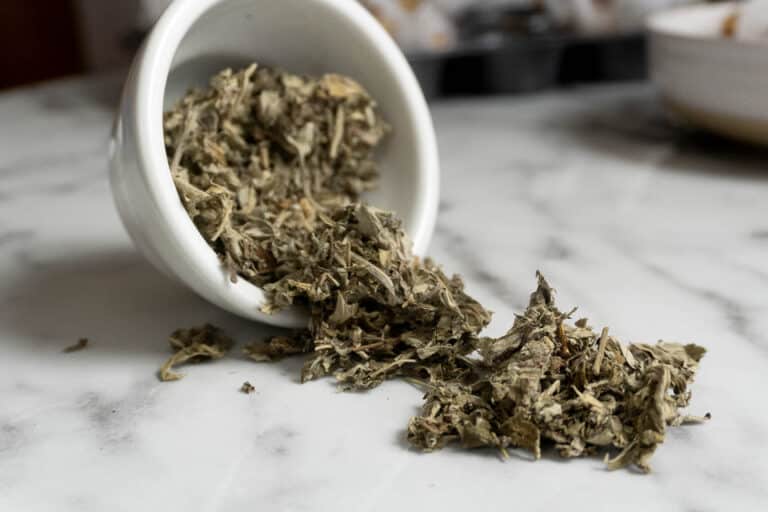
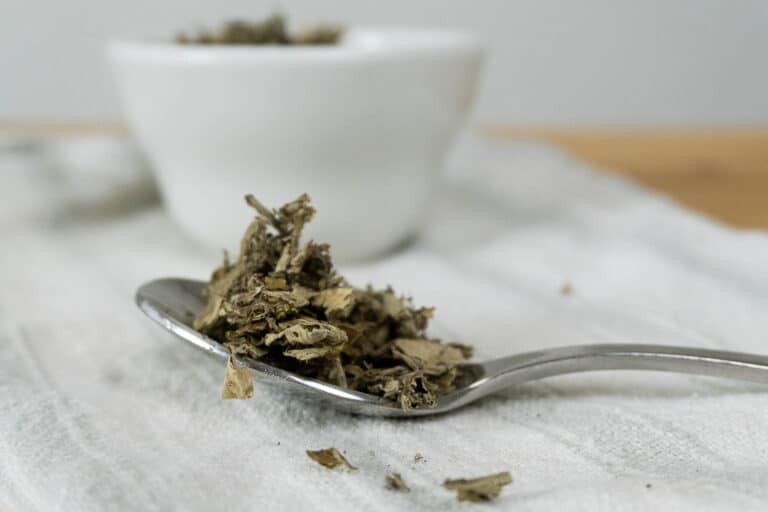
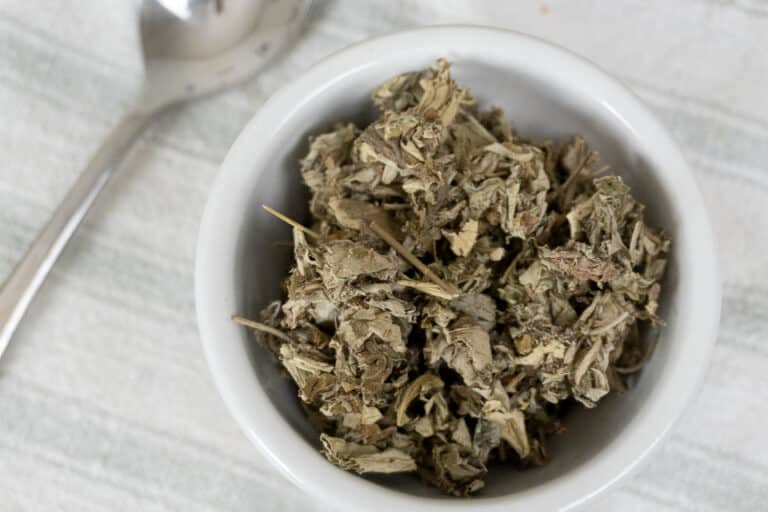
Mugwort is appreciated for its strong herbal scent and for its traditional uses. It has been used in cooking, including East Asian dishes and rice cakes, and has historically been associated with digestive support and menstrual discomfort. Modern evidence on safety and effectiveness is limited, so it is better described as a traditional herb than a confirmed remedy.
Substitutes
If mugwort is unavailable, sage is the closest easy substitute in many cooked dishes because mugwort is often described as having a sage-like taste. The result will not be identical, but it can fill a similar role in stuffing, herb blends, and meat dishes. This is an inference based on taste similarity.