What Does Aniseed Myrtle Taste Like?
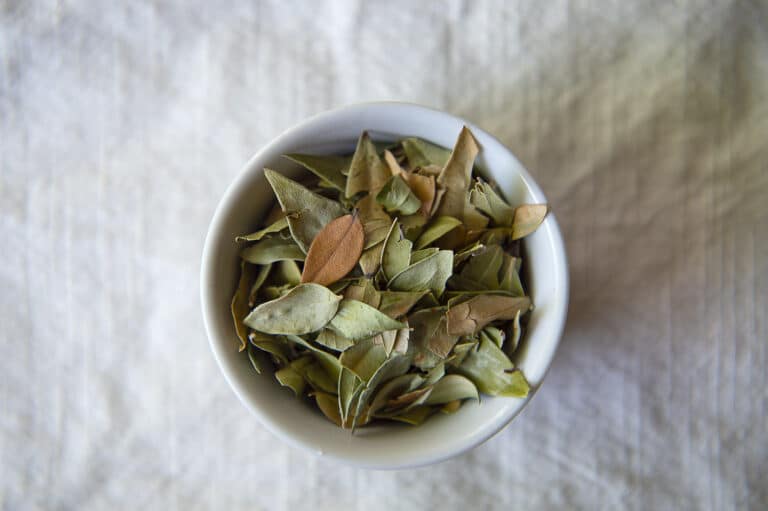
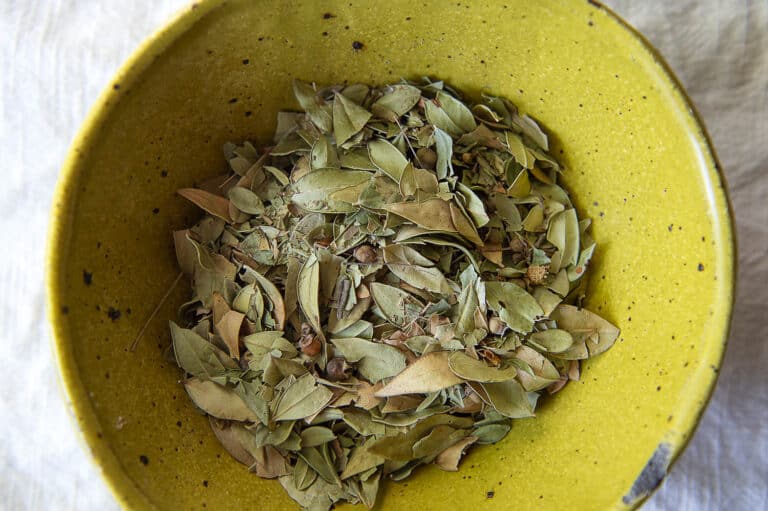
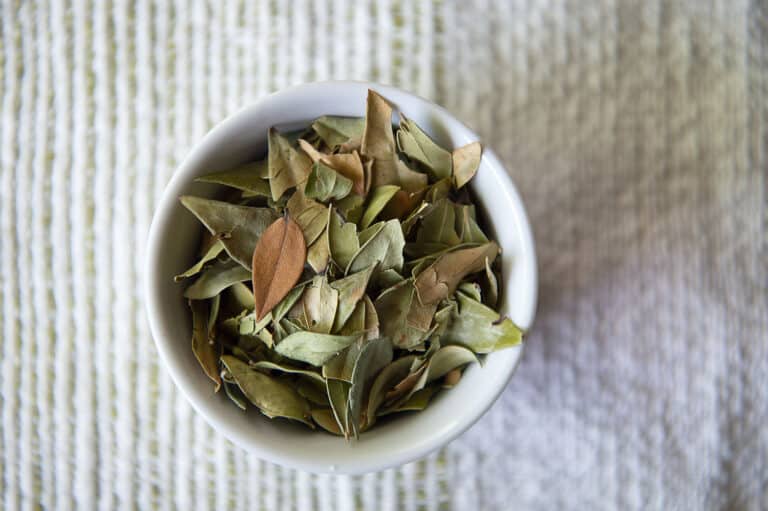
Aniseed myrtle is a unique and aromatic herb native to Australia, celebrated for its distinctive flavor profile.
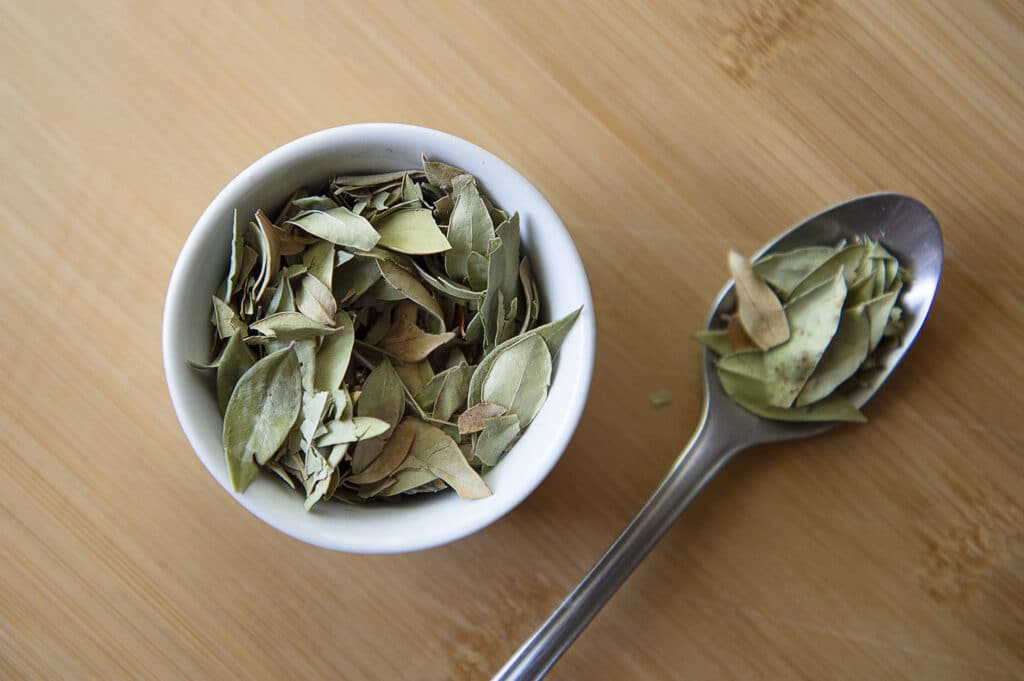
Here’s an in-depth look at what aniseed myrtle tastes like and how it can be used in various culinary applications.
Flavor Profile of Aniseed Myrtle
- Aniseed and Licorice-Like Taste:
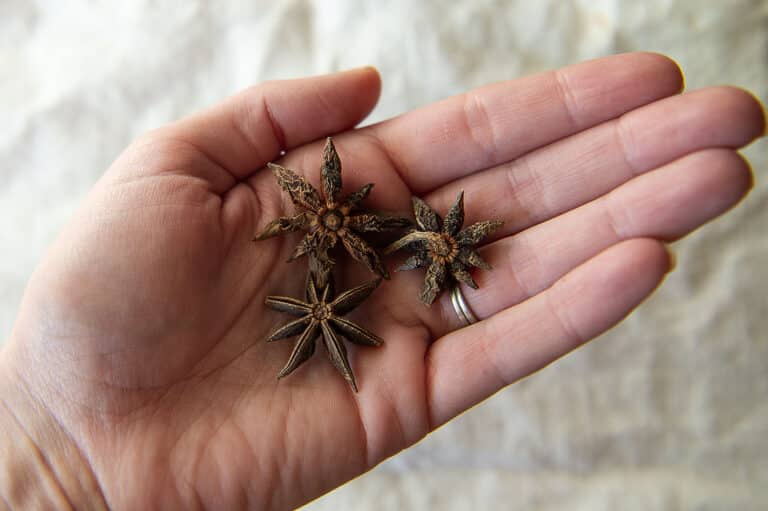
- The primary flavor characteristic of aniseed myrtle is its strong aniseed taste, similar to licorice. This taste comes from anethole, the same compound found in anise, fennel, and star anise. It provides a sweet, slightly spicy, and aromatic flavor that is both refreshing and distinctive.
- Sweetness:
- Aniseed myrtle has a natural sweetness, which makes it a perfect ingredient for both sweet and savory dishes. The sweetness is not overwhelming but rather adds a pleasant, balanced note to the overall flavor profile.
- Warm and Spicy Notes:
- Beyond its licorice-like taste, aniseed myrtle also offers warm and spicy undertones. These subtle notes add depth and complexity, making it a versatile herb in cooking.
- Citrus Hints:
- Some people detect a slight hint of citrus in the flavor of aniseed myrtle, which can add a fresh and zesty dimension to dishes and beverages.
Culinary Uses of Aniseed Myrtle Based on Its Taste
- Desserts and Baked Goods:
- Cakes and Biscuits: Aniseed myrtle is an excellent addition to cakes, cookies, and biscuits, imparting a sweet and aromatic flavor. It pairs well with ingredients like vanilla, honey, and citrus.
- Puddings and Custards: It can enhance the flavor of puddings and custards, adding a unique twist to these traditional desserts.
- Savory Dishes:
- Marinades and Sauces: The warm and sweet notes of aniseed myrtle make it a great addition to marinades and sauces, especially for seafood, poultry, and pork.
- Vegetable Dishes: It can be used to season roasted or grilled vegetables, providing a sweet and spicy contrast to their natural flavors.
- Beverages:
- Teas: Aniseed myrtle leaves can be used to brew herbal teas. The sweet and aromatic flavor makes for a refreshing and soothing drink.
- Cocktails: It can be infused into syrups or spirits to add a unique flavor to cocktails and other mixed drinks.
- Spice Blends:
- Seasonings: Ground aniseed myrtle can be included in spice blends, enhancing the flavor of a variety of dishes, from stews and soups to rubs for meats.
- Confectionery:
- Candies: Aniseed myrtle can be used to flavor candies and other sweets, providing a natural and aromatic taste.
Health Benefits Linked to Its Flavor
- Digestive Aid:
- The sweet and aromatic compounds in aniseed myrtle can help soothe digestive issues, such as bloating and indigestion.
- Respiratory Health:
- The warm and slightly spicy notes can have expectorant properties, aiding in the relief of coughs and other respiratory issues.
- Calming Effects:
- The soothing taste and aroma of aniseed myrtle can help reduce stress and anxiety, promoting a sense of calm and relaxation.
Aniseed myrtle offers a distinctive profile characterized by its sweet, aniseed, and licorice-like taste with warm and spicy undertones and subtle hints of citrus. This unique combination makes it a versatile ingredient in both sweet and rich dishes, as well as in beverages. Whether used in desserts, marinades, teas, or spice blends, aniseed myrtle adds a refreshing and aromatic touch to a wide variety of culinary creations.