What Is Anise Used For?
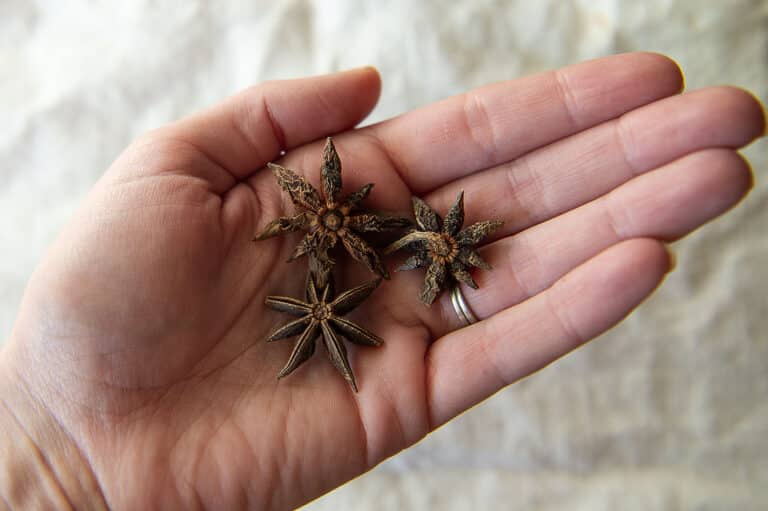
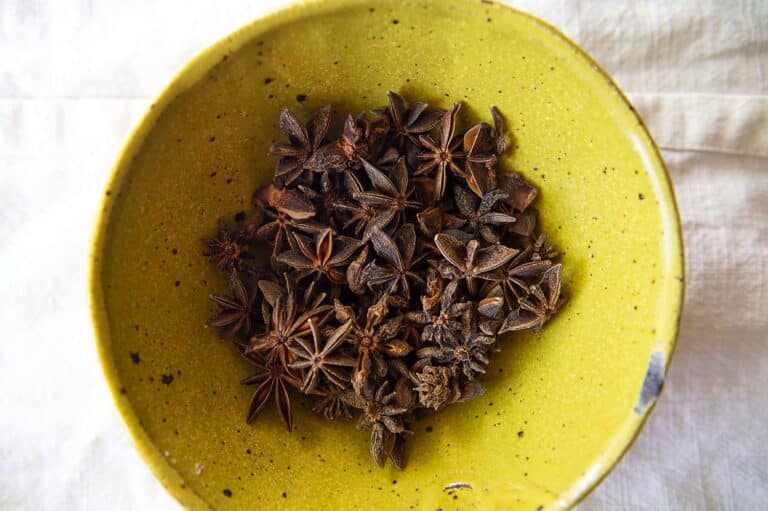
Anise (Pimpinella anisum) is a flavorful and aromatic herb that has been used for centuries in cooking, traditional medicine, and various other applications.
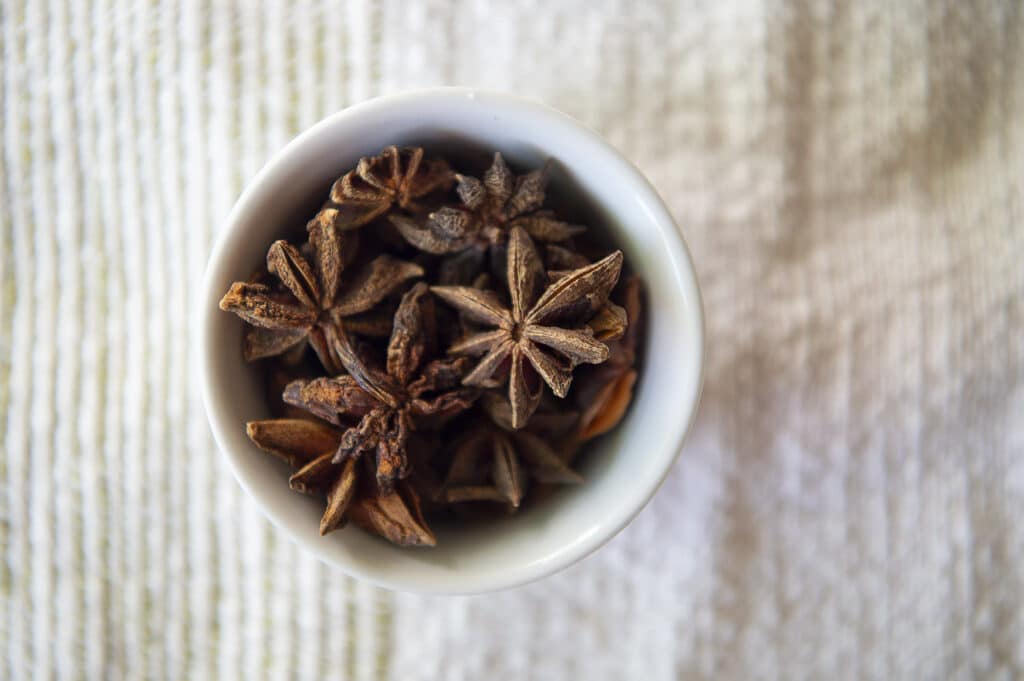
Known for its distinctive licorice-like taste, anise is utilized in many cultures around the world. Here’s a comprehensive look at the various uses of anise:
Culinary Uses
Anise is widely used in the culinary world, especially in baking, cooking, and flavoring beverages.
- Baking and Confectionery:
- Flavoring Bread and Pastries: Anise seeds are often used to flavor bread, cookies, cakes, and pastries. Popular in Mediterranean and Middle Eastern cuisines, anise adds a sweet, aromatic taste.
- Candies and Sweets: Anise is a common ingredient in candies and sweet treats, including traditional licorice candy.
- Spice Blends:
- Garam Masala and Five-Spice Powder: Anise is a component in spice blends such as Indian garam masala and Chinese five-spice powder, adding depth and complexity to various dishes.
- Beverages:
- Herbal Teas: Anise seeds are used to make soothing herbal teas, which are popular in many cultures for their pleasant taste and digestive benefits.
- Alcoholic Beverages: Anise is a key ingredient in several alcoholic drinks, including the French pastis, Greek ouzo, Italian sambuca, and Turkish raki. These liqueurs are known for their strong, licorice-like flavor.
- Cooking:
- Savory Dishes: Anise can be used to flavor savory dishes, such as stews, soups, and sauces, adding a unique sweet and spicy note.
Medicinal Uses
Anise has been used in traditional medicine for its various health benefits, owing to its rich content of essential oils and active compounds.
- Digestive Health:
- Carminative Properties: Anise is known for its carminative properties, which help relieve bloating, gas, and indigestion. It is often included in digestive teas and remedies.
- Aids Digestion: Anise seeds can stimulate the production of digestive enzymes, promoting better digestion and alleviating symptoms of discomfort.
- Respiratory Health:
- Expectorant: Anise has expectorant properties, making it useful in treating respiratory conditions such as coughs, bronchitis, and asthma. It helps loosen mucus and clear the airways.
- Antimicrobial and Antifungal:
- Fights Infections: Anise has been found to have antimicrobial and antifungal properties, which can help fight off infections and improve overall health.
- Hormonal Health:
- Menstrual Health: Anise is believed to have phytoestrogenic properties, which can help regulate menstrual cycles and alleviate symptoms of menopause.
- Calming Effects:
- Reduces Stress and Anxiety: The essential oils in anise are known to have calming effects, which can help reduce stress and anxiety. Anise tea is often consumed for its relaxing properties.
Other Uses
Apart from its culinary and medicinal uses, anise has several other applications:
- Aromatherapy:
- Essential Oil: Anise essential oil is used in aromatherapy for its soothing and calming effects. It can be diffused to create a relaxing atmosphere or added to massage oils.
- Cosmetics and Personal Care:
- Fragrances and Soaps: The sweet, licorice-like scent of anise makes it a popular ingredient in fragrances, soaps, and other personal care products.
- Insect Repellent:
- Natural Repellent: Anise oil is sometimes used as a natural insect repellent due to its strong aroma.
Safety and Precautions
While anise is generally safe for most people, it’s important to use it in moderation and be aware of potential side effects:
- Allergic Reactions: Some individuals may be allergic to anise. If you experience any adverse reactions, discontinue use and consult a healthcare provider.
- Pregnancy and Breastfeeding: Pregnant and breastfeeding women should use anise with caution and consult a healthcare provider before consumption.
- Drug Interactions: Anise may interact with certain medications, so it’s important to consult a healthcare provider if you are taking any prescription drugs.
Anise is a versatile herb with a wide range of uses in cooking, traditional medicine, and other applications. Its distinctive flavor and potential health benefits make it a valuable addition to many culinary and medicinal practices.