
Southern Mac and Cheese
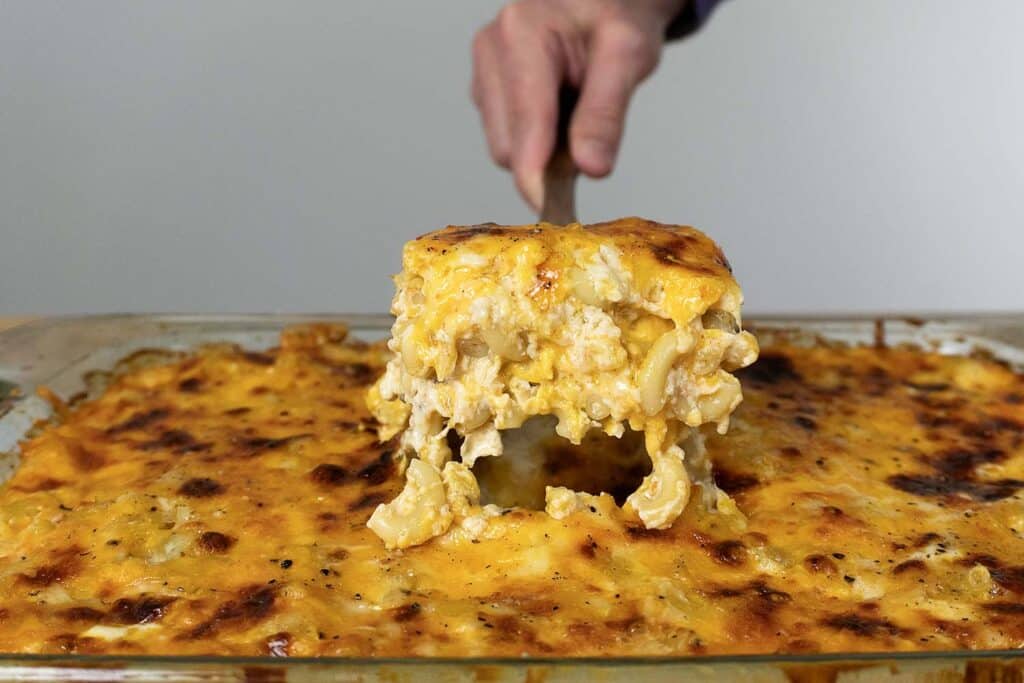
Southern mac and cheese is baked, rich, and built for Sunday tables. Think tender elbows, a custardy base, and a bronzed cheese lid that crackles when your spoon breaks through.
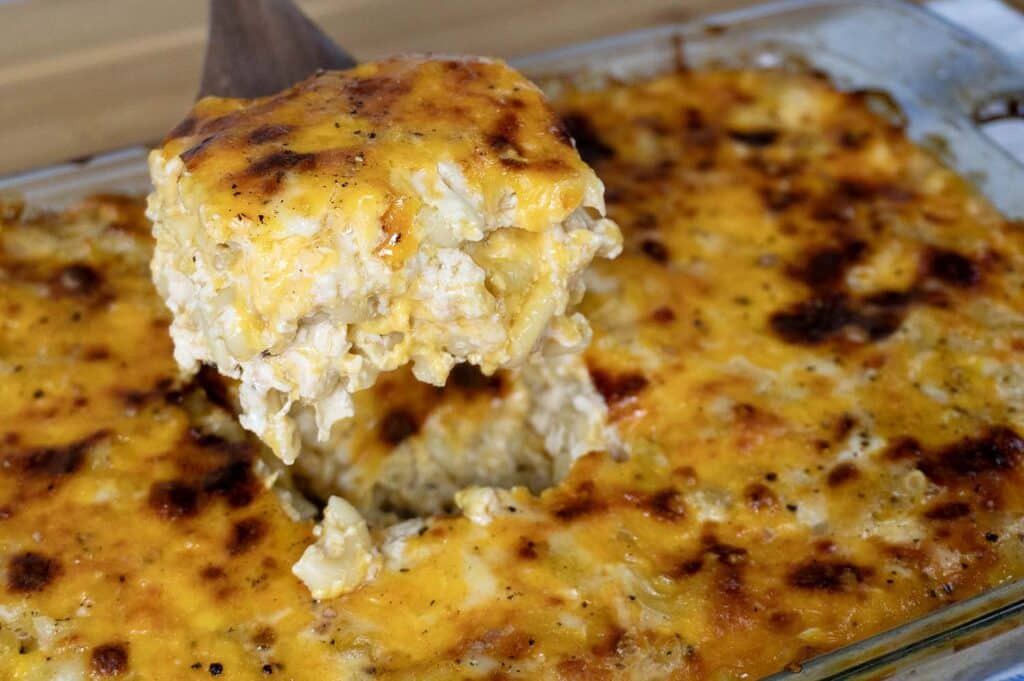
What Makes Southern Mac And Cheese, Southern?
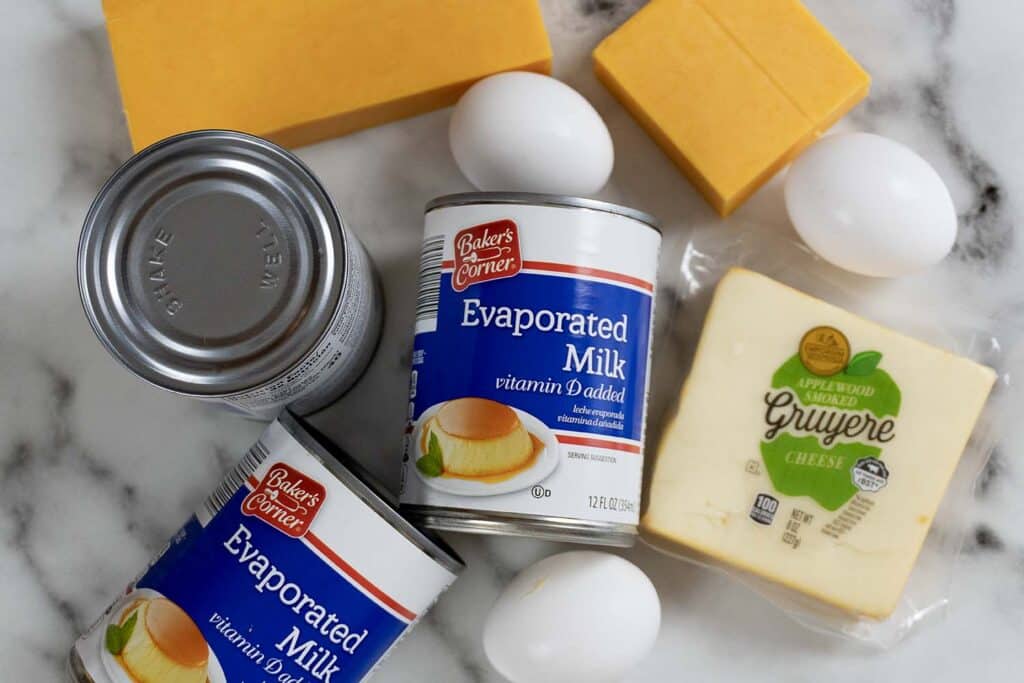
Two things define it. First, it is baked. Second, it leans on eggs and dairy to set into a sliceable, creamy casserole. You will often see a mix of cheeses, evaporated milk or whole milk, and a top layer that turns golden in the oven. It is made for passing around a big table, not just scooping off the stove.
Common hallmarks:
- A casserole dish, not a stovetop pot
- Eggs whisked into milk for a gentle custard
- A mix of cheeses, often cheddar plus a melter like Colby Jack or Monterey Jack
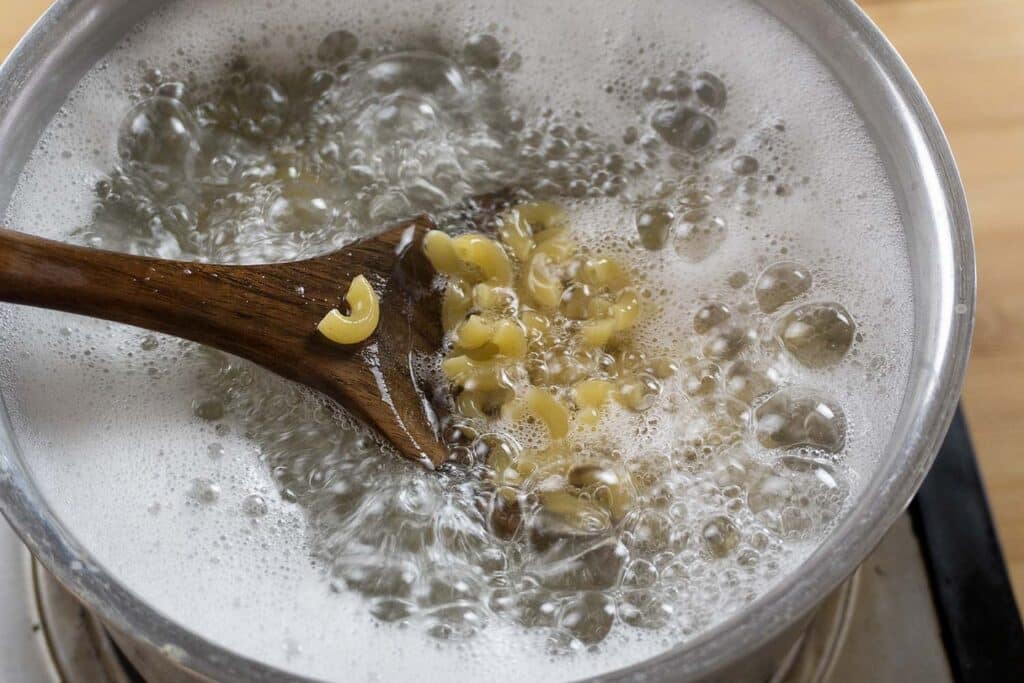
- Elbows cooked just shy of tender so they hold up in the oven
- A top that bakes into a crisp, cheesy crust
What Is The Difference Between A Custard And A Roux Base For Mac And Cheese?
Both paths are delicious, but they behave differently.
Custard base
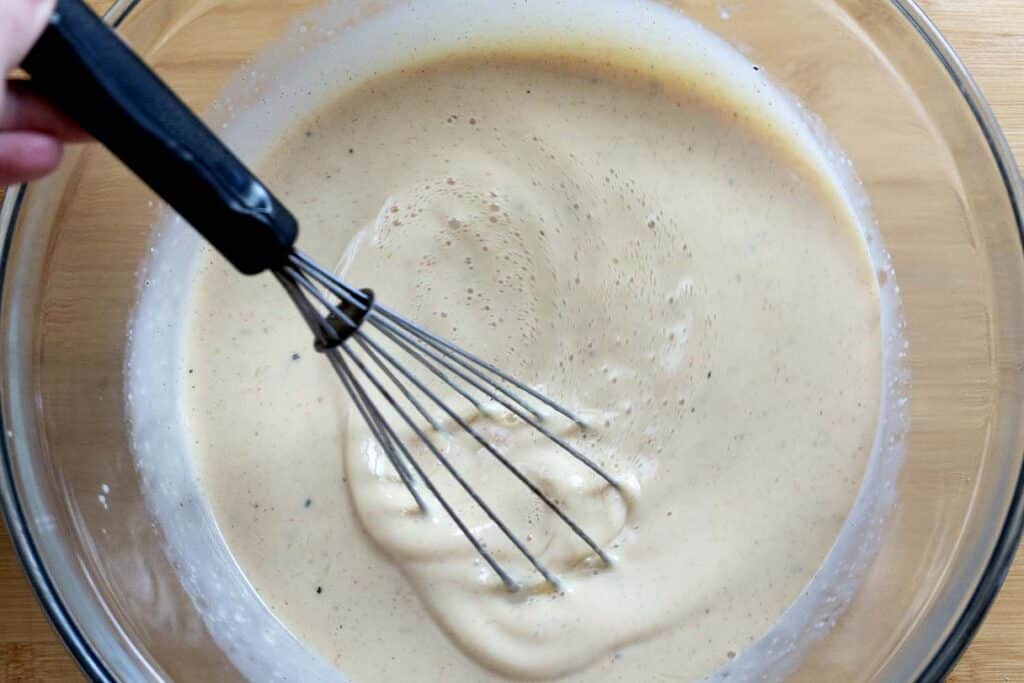
Eggs are whisked with milk, then combined with the pasta and cheese. The oven sets the mixture like a soft quiche around the noodles. The result is rich, slightly firm, and easy to cut into squares. It is classic for Southern holiday tables.
Roux base
Butter and flour are cooked together, then milk is whisked in to make a béchamel. Cheese melts into that sauce, and the pasta is folded in before baking. The texture is saucier and silkier, with less of that sliceable set. Many cooks blend the two styles, using a small roux for silkiness and one egg for structure.
What Should You Serve Mac And Cheese With?
This dish plays well with nearly every Southern main. Pair it with:
- Barbecue ribs or pulled pork
- Fried or roasted chicken
- Meatloaf or country ham
- Collard greens, green beans, or stewed okra
- Candied yams or roasted sweet potatoes
- Cornbread or yeast rolls
For a casual spread, add a bright side like vinegar slaw to cut through the richness.
How Can I Take Southern Mac And Cheese To The Next Level?
Small upgrades make a big difference. Use these where they fit your style.
- Cheese strategy
Aim for two or three cheeses. Sharp cheddar for character, plus a great melter like Jack, Colby, fontina, or low-moisture mozzarella. A little Parmesan on top adds a salty crust. - Seasoning
Salt the pasta water. Add a pinch of dry mustard, onion powder, garlic powder, and white or black pepper. Grate a hint of nutmeg into a roux base if you use one. Taste the sauce before it hits the noodles. - Texture control
Boil pasta to a firm al dente. It will soften as it bakes. Toss the drained pasta with a little butter so it does not clump while you assemble. - Liquid choice
Evaporated milk adds richness without being heavy. For a custard base, whisk the eggs thoroughly into the evaporated milk so the set is even. - Topping
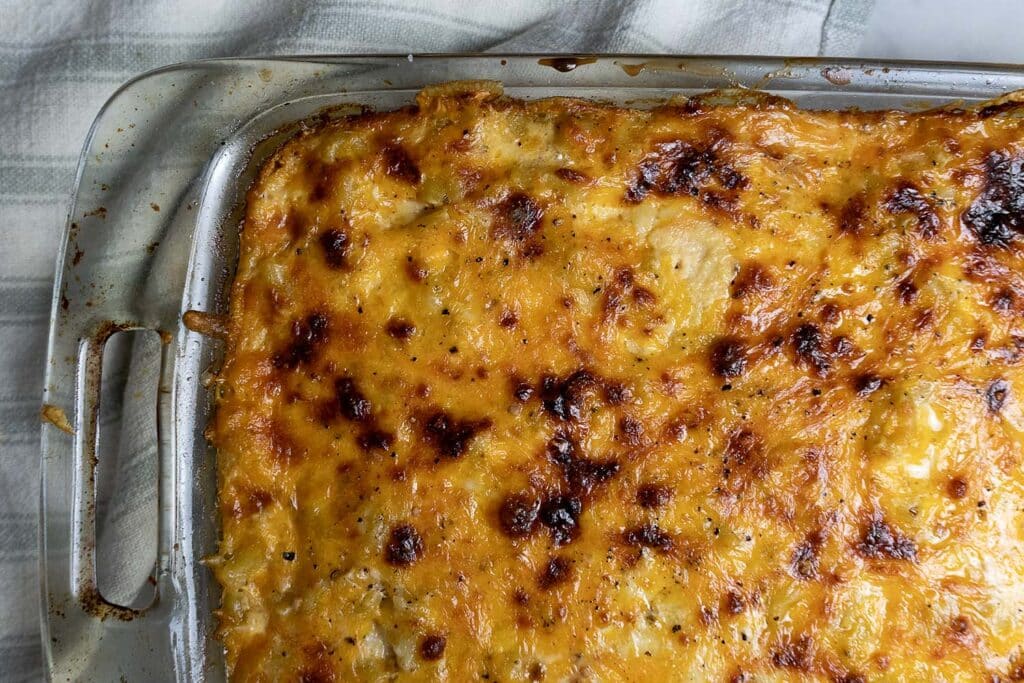
Finish with a blanket of shredded cheese. If you want extra crunch, mix panko with a drizzle of butter and a spoon of Parmesan, then sprinkle lightly over one half of the pan. You can compare both textures at the table. - Bake smart
Use a buttered 9×13 dish. Bake at 350 to 375°F until bubbling at the edges and browned on top. If the top browns too fast, tent loosely with foil. Let it rest 10 to 15 minutes before serving so it settles and scoops clean.
Storage Instructions
- Refrigerator
Cool to room temperature within 2 hours. Cover and refrigerate for 3 to 4 days. - Reheating
Warm, covered, at 325°F until hot in the center. Stir in a splash of milk around the edges if it looks tight. An air fryer works for small portions to refresh the top. - Freezer
Wrap tightly in portions and freeze up to 2 months. Thaw overnight in the fridge, then reheat covered at 325°F until hot. Add a little milk if needed and finish uncovered for a few minutes to re-crisp the top.
Southern mac and cheese should taste like home and hold its own on a crowded plate. Keep the pasta firm, season the sauce thoughtfully, and bake until the top sings. That is the pan people will reach for first.
Southern Mac and Cheese
Equipment
- 1 13 x 9 baking dish
Ingredients
- 1 lb elbow macaroni
- 4 tbsp unsalted butter
- 3 12 oz cans evaporated milk
- 1 tsp dry mustard
- 1 tsp garlic powder
- ½ tsp onion powder
- ½ tsp paprika
- salt and pepper to taste
- 3 eggs beaten
- 8 oz cheddar cheese freshly shredded
- 8 oz colby cheese freshly shredded
- 4 oz gruyere freshly shredded
Instructions
- Bring a pot of water to a boil. Add 1 tbsp of salt. Add and cook elbow macaroni in liberally salted water one minute less than the package instructions for al dente preparation.
- While noodles cook, shred all of the cheese. It can all ne mixed together. Reserve 1½ cups for the top.
- Drain noodles then set aside. Add 2 tbsp of the butter to the noodles and toss to coat.
- Combine the evaporated milk, dry mustard, onion powder, garlic powder, salt, and pepper. Taste and add more salt if necessary. Make sure you can really taste the salt in your milk mixture.
- Next, add the well-beaten eggs into the seasoned milk and stir to combine.
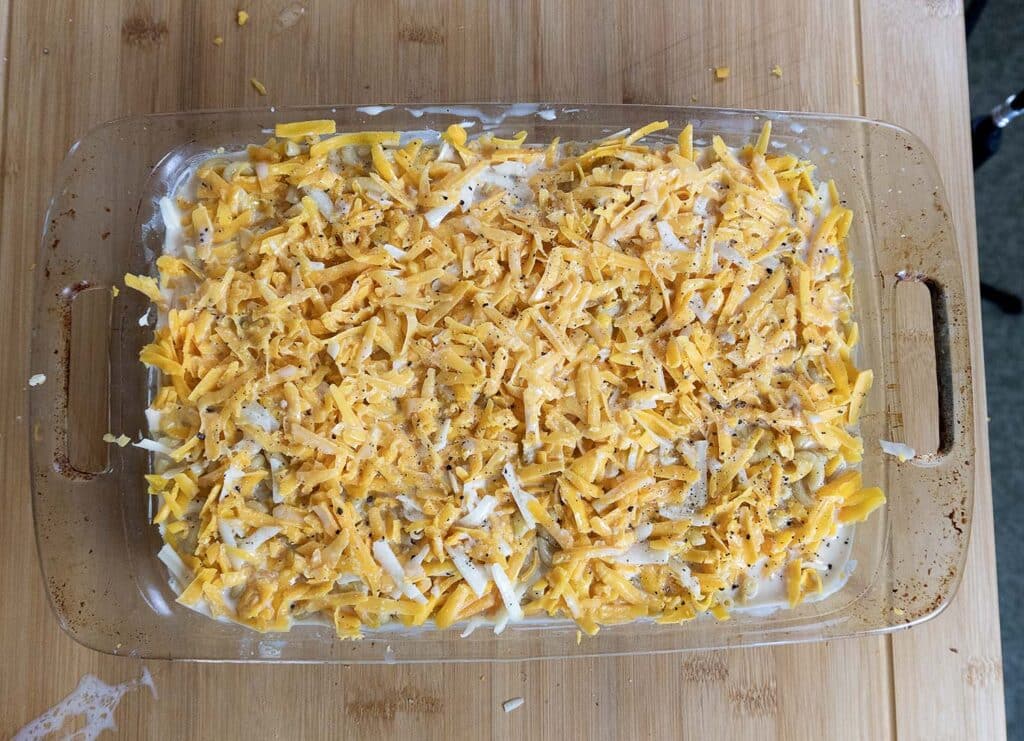
- Preheat oven to 350℉. Grease a 3-quart 13×9 baking dish. Layer cheese and noodles evenly into baking dish, starting with cheese (aim for 3 layers of noodles).
- Sprinkle the reserved 1½ cups of cheese evenly over everything then pour milk mixture evenly over noodles and cheese. Sprinkle top with salt and pepper.
- Cut butter into thin pats then place them evenly on top of cheese.
- Bake at 350℉ for 40 minutes. Turn the oven to broil and bake for a couple more minutes until the top is slightly browned. Be careful to watch so it doesn't burn.
- Remove from the oven and let sit for 20 minutes. Do not skip this step! If you dig in too soon it will be soupy, so this time will allow for it to set up.
So great! I love a custard base mac and cheese! Play around like they say with the cheese and really make it your own! Perfect, definitely taste the milk base to ensure adequate season
Dude – thank you for leaving a review! This made my day. I love that you keep making this again and again so that you can perfect it.