
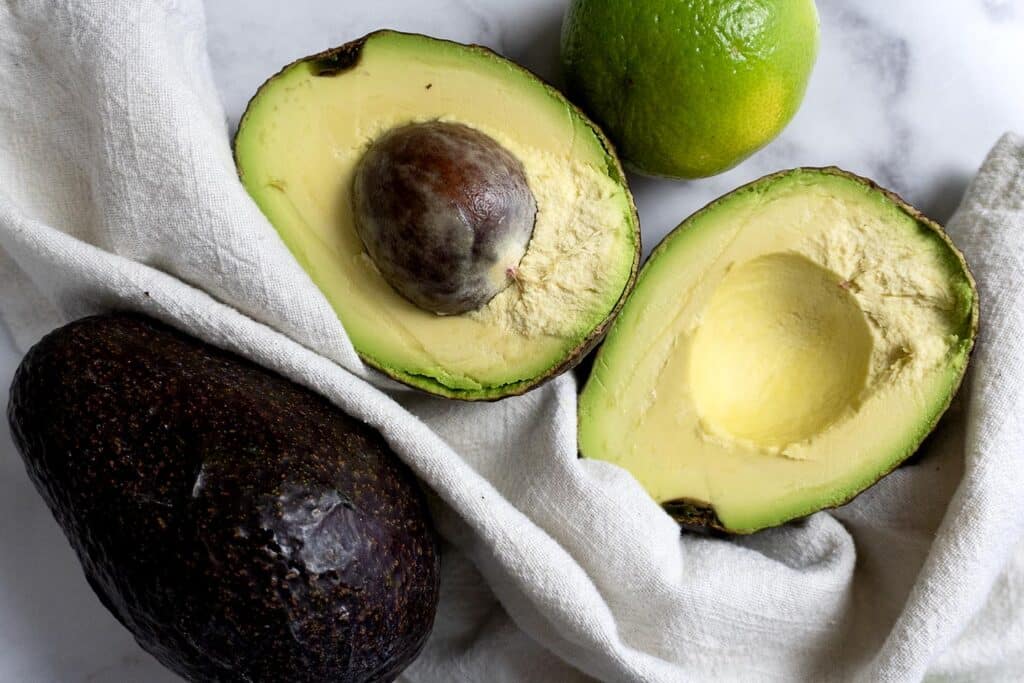
Avocado
Avocado is a creamy fruit native to the Americas, best known for its buttery texture and mild, green taste. It grows on evergreen trees and shows up everywhere from guacamole and toast to salads and smoothies. Unlike most fruit, avocado is prized more for its healthy fats than its sweetness, which is why it plays so nicely with both salty and bright, acidic ingredients.
- Scientific name: Persea americana
- Family: Lauraceae
- Genus: Persea
- Kingdom: Plantae
- Order: Laurales
History of Avocado
Avocados have been grown for thousands of years in Mesoamerica. Over time, they spread through Central and South America, then into the Caribbean and beyond. Today, avocado is a staple in many cuisines, and it has gone from “regional produce” to “I’ll just eat this over the sink with a spoon” status in record time.
Avocado Recipes



Benefits
Avocado offers several nutrition perks, thanks to its healthy fats, fiber, and micronutrients:
- Heart Support: Monounsaturated fats can support heart health as part of a balanced diet.
- Digestive Support: Fiber helps keep digestion steady and can help you feel full longer.
- Nutrient Density: Avocado provides potassium and antioxidants that support overall wellness.


Substitutes
If you are out of avocado, these can help depending on what you are making:
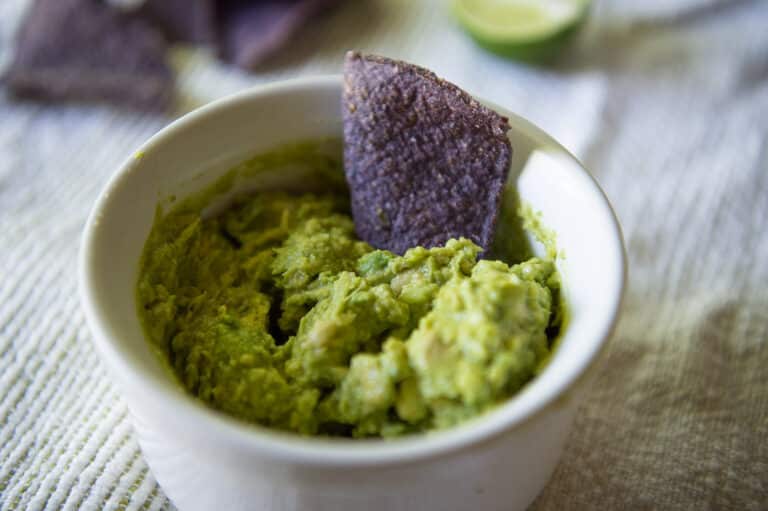
- For spreads and dips: Hummus, mashed peas, or plain Greek yogurt can mimic the creamy texture.
- For salads and bowls: Soft cheese, olives, or a drizzle of olive oil can replace some of the richness.