
Broccoli
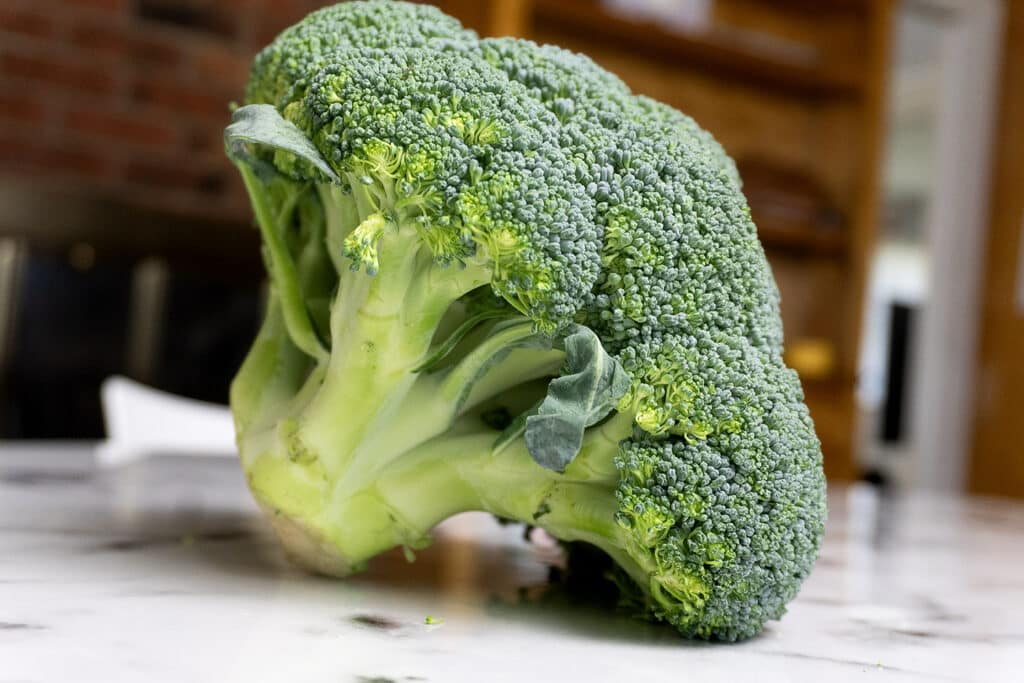
Broccoli is a dense, green vegetable known for its tight clusters of buds and sturdy stalk. It has a mild, slightly bitter taste when raw and becomes more tender and mellow when cooked. It’s one of the most recognizable vegetables in the produce aisle and shows up in everything from stir-fries to casseroles. Both the florets and stems are edible, and when cooked right, it actually holds its own instead of turning into sad mush.
- Scientific name: Brassica oleracea var. italica
- Family: Brassicaceae
- Genus: Brassica
- Kingdom: Plantae
- Order: Brassicales
History of Broccoli
Broccoli traces back to ancient Rome, where it was cultivated from wild cabbage plants. Italians refined it over time, which is where it gets its species name italica. For a long stretch, it stayed mostly in Mediterranean regions before making its way to other parts of Europe.
It didn’t really take off in the United States until Italian immigrants brought it over in the early 1900s. Since then, it’s gone from “what is this tree-looking thing?” to a weekly grocery staple.
Broccoli Recipes



Benefits
Broccoli is one of those vegetables that quietly covers a lot of nutritional ground without making a big deal about it.
- High in vitamin C, which supports immune health
- Packed with vitamin K, important for bone strength and blood clotting
- Contains fiber that helps with digestion and keeps you full
- Rich in antioxidants that help combat inflammation
- Provides folate, which supports cell growth and function

Substitutes
If broccoli isn’t on hand, there are plenty of vegetables that can step in depending on the dish.
- Cauliflower, similar structure with a milder taste
- Broccolini, slightly sweeter and more tender
- Brussels sprouts, similar family with a stronger bite
- Kale, works well in cooked dishes and adds more texture
- Green beans, not as dense but a solid swap in stir-fries