
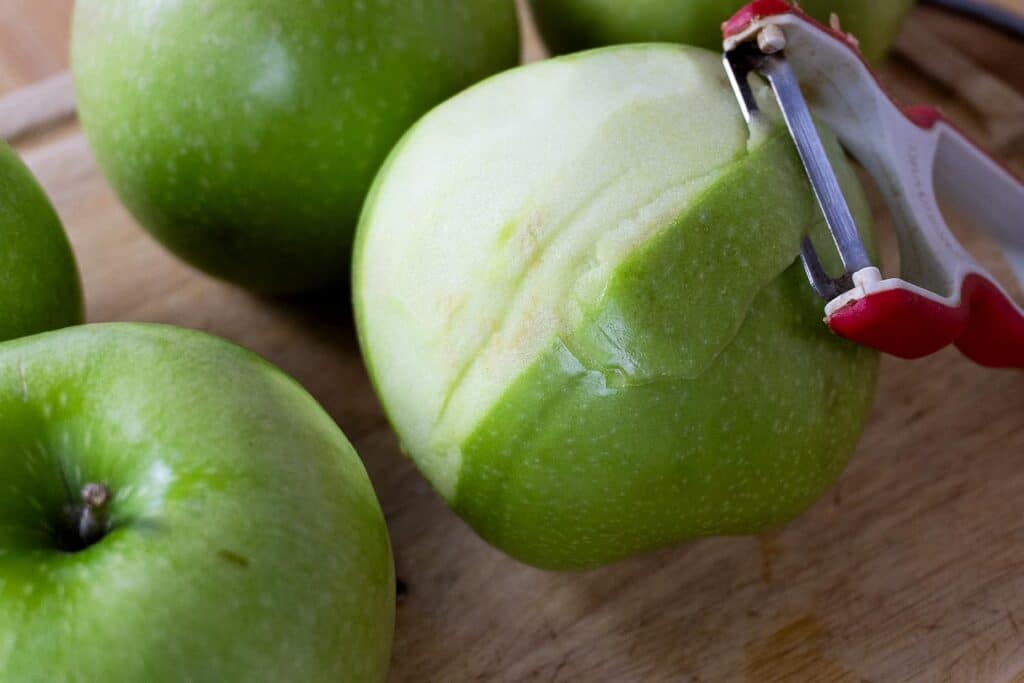
Apple
Apples are round fruits that grow on deciduous trees and come in thousands of cultivated varieties. Depending on the variety, apples can range from crisp and tart to soft and sweet, with skin colors that include red, green, yellow, and combinations of all three. They can be eaten raw or used in baked goods, sauces, salads, preserves, and countless other dishes.
- Scientific name: Malus domestica
- Family: Rosaceae
- Genus: Malus
- Kingdom: Plantae
- Order: Rosales
History of Apples
Apples have a long history that can be traced to Central Asia, particularly the region around modern-day Kazakhstan. The wild ancestor of the domesticated apple, Malus sieversii, still grows in the area today.
As people traveled and traded along routes connecting Asia and Europe, apple seeds and trees gradually spread westward. Ancient Greeks and Romans cultivated apples, and selective breeding helped produce varieties with desirable traits such as sweetness, size, and storage life.
European settlers later introduced cultivated apples to North America. Apple orchards became widespread, and growers continued developing new varieties suited to different climates and uses. Today, apples are grown commercially throughout much of the world, with thousands of varieties ranging from familiar types such as Gala and Granny Smith to regional and heirloom cultivars.
Apple Recipes



Benefits
Apples provide fiber, vitamins, antioxidants, and other plant compounds while being naturally low in calories.
- Good source of fiber: Apples contain soluble and insoluble fiber, particularly when the skin is eaten, which can support healthy digestion.
- Provides vitamin C: Apples contain vitamin C, an antioxidant that contributes to normal immune function and collagen production.
- Contains plant compounds: Apples provide polyphenols and other antioxidants that help protect cells against oxidative stress.
- Supports heart health: Their fiber and polyphenol content may contribute to cardiovascular health as part of a balanced diet.
- High in water: Apples have a high water content, which contributes to hydration and makes them a filling snack.

Substitutes
The best substitute for apples depends on whether you need their sweetness, tartness, texture, or ability to hold up during cooking.
- Pears: One of the closest replacements for apples in pies, crisps, salads, and other dishes.
- Asian pears: Crisp and juicy, making them particularly useful when replacing raw apples in salads and slaws.
- Quince: Firm and aromatic when cooked, making it a good option for preserves, sauces, and baked desserts.
- Peaches: Softer and sweeter than most apples but suitable for cobblers, crisps, and other baked desserts.
- Plums: A good alternative when a recipe can accommodate a softer fruit with more tartness and juice.